Cities
The cities of France covered on this site, grouped the way you would actually travel between them rather than by population. Each links to a guide with what to see, how to get there and when to go.
Paris and around
- Paris — the obvious one, and still the one most trips are built round
- Versailles — the palace, the gardens, the two Trianons and Marie-Antoinette’s hamlet, a half-hour from central Paris
The south — Provence and the Riviera
- Marseille — the oldest city in France, and the least like the rest of it
- Nice — the capital of the Côte d’Azur, with the old town and the Promenade
- Aix-en-Provence — fountains, plane trees, Cézanne and the Sainte-Victoire
- Avignon — the popes’ palace, the bridge and the July festival
- Arles — the Roman arena, Van Gogh, and the gateway to the Camargue
- Toulon — the naval city, with the best natural harbour on the coast
- Cannes — the festival, the Croisette and the islands offshore
- Antibes — ramparts, the Picasso museum and the largest yacht harbour in Europe
The south-west and Occitanie
- Toulouse — the pink city, Saint-Sernin and the aerospace industry
- Montpellier — young, dense and walkable, ten kilometres from the sea
- Nîmes — the best-preserved Roman arena in the world and the Maison Carrée
- Bordeaux — eighteenth-century stone along the Garonne, and the wine country behind it
The east — Alsace, Champagne, Burgundy
- Strasbourg — the cathedral, the Petite France quarter and the European institutions
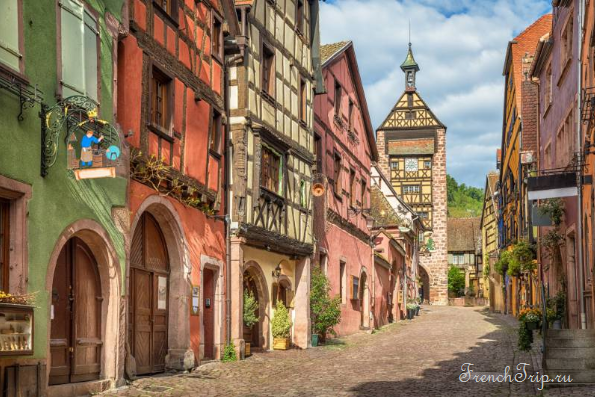
- Colmar — the Isenheim altarpiece and the prettiest small centre in Alsace; see also what to see in Colmar
- Mulhouse — an industrial city with the best car and railway museums in France
- Reims — the coronation cathedral and the champagne cellars under the city
- Troyes — a whole medieval centre of timber-framed houses, and almost no visitors
- Dijon — the dukes’ palace, the mustard and the start of the Côte d’Or
The Alps and the Rhône
- Lyon — the second city, the Renaissance quarter, the traboules and the food
- Annecy — canals, a lake you can swim in, and the mountains behind
The west
- Rennes — the Breton capital, with a timber-framed old town and a serious student population
Corsica
- Ajaccio — Napoleon’s birthplace and the main arrival point on the west coast
- Bastia — the working port of the north, and the start of the Cap Corse circuit
How to pick
Two rules that hold across France. First, the second city of a region is usually the better visit — Colmar over Strasbourg if you have one day, Troyes over Reims, Annecy over Grenoble. Second, the cities are the transport hubs: nearly everything worth seeing in a region is within an hour of one of them by train or car, so base yourself in the city and go out, rather than the reverse.
See also the most beautiful villages in France and Petites Cités de Caractère.
This page in Russian: Города Франции
Updated: