Grand Est
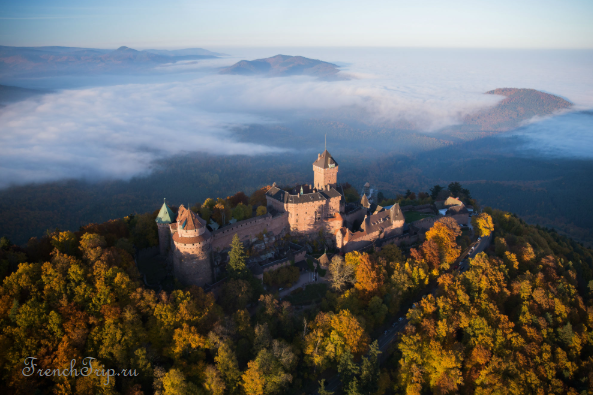
Grand Est is the north-eastern region of France, created in 2016 by merging three that had little in common: Alsace, Lorraine and Champagne-Ardenne. It runs from the Rhine to within an hour of Paris, borders Germany, Belgium, Luxembourg and Switzerland, and contains more disputed ground than anywhere else in France.
For a traveller the merger matters less than what is in it: Alsace and its wine route, the champagne cellars of Reims, the Art Nouveau of Nancy, and the battlefields of Verdun.
History
The east of France has sat on the border between the Latin and Germanic worlds for most of its history, and the name is older than it looks: much of today’s Grand Est already lay in the eastern half of the Frankish kingdom, Austrasia, in the eighth century. Alsatian, Champenois and Franconian dialects are all still spoken somewhere in the region. Reims was where Clovis, the first Frankish king to convert to Christianity, was baptised in 496 AD, and the city went on to serve as the traditional coronation site of French kings for most of the monarchy’s history. The Champagne fairs, held here through the twelfth and thirteenth centuries, were for a time the commercial hub of medieval Europe. Further east, Alsace and Lorraine spent much of the Middle Ages and the Renaissance within the orbit of the Holy Roman Empire, which is part of why the region still looks and tastes German in places. Alsace and the neighbouring Moselle department still keep a handful of local laws inherited from that period, on public holidays and church funding among other things, that don’t apply anywhere else in France. Distinctive local customs survive too, among them Saint Nicholas’s Day in early December and an Easter hare in place of the rabbit.
Alsace
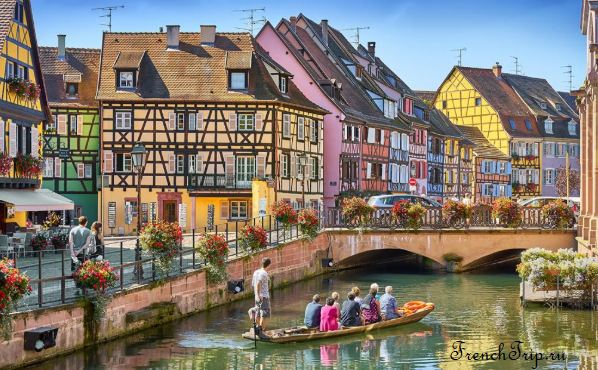
The strip between the Vosges and the Rhine, German four times over the last two centuries and French again since 1945. It is the most visited part of the region and the least French-looking: timber frames, storks, sauerkraut, Riesling, and Christmas markets that draw people from across Europe.
- Strasbourg — the cathedral, the Petite France quarter and the European institutions
- Colmar — the Isenheim altarpiece and the prettiest small centre in the region
- The wine route — 170 km of walled villages from Marlenheim to Thann
- Haut-Kœnigsbourg — the great red sandstone castle rebuilt for Kaiser Wilhelm II, and the most visited monument in Alsace
- Mulhouse — the technical museums, including the largest car collection in the world
Haut-Kœnigsbourg itself was garrisoned from the Middle Ages until the Thirty Years’ War, then stood abandoned for close to two centuries before the rebuild.
Colmar and Strasbourg are usually seen together, but if you can only manage one, Colmar has the edge: it is smaller and easier to like, and most of the region’s best villages sit in its orbit rather than Strasbourg’s. Strasbourg’s case is the cathedral, the old German quarter and the European institutions, which matter more if that history is the draw.
Beyond the two towns, Riquewihr and Eguisheim are the pick of the villages, both close to Colmar and awkward to reach without a car. Ribeauvillé, Sélestat and Obernai keep better public transport links and work as an easier base without one. A regional day ticket covering all of Alsace, or just one département, makes it straightforward to combine a couple of these by train.
Alsace’s whites rank among the best in France, and its Crémant d’Alsace, made by the same method as Champagne, is the cheaper way into sparkling wine. Tastings along the wine route are usually free; in Champagne they usually are not. A signed Route Romane also links the region’s Romanesque churches, for anyone who prefers that period to the half-timbering.
Champagne
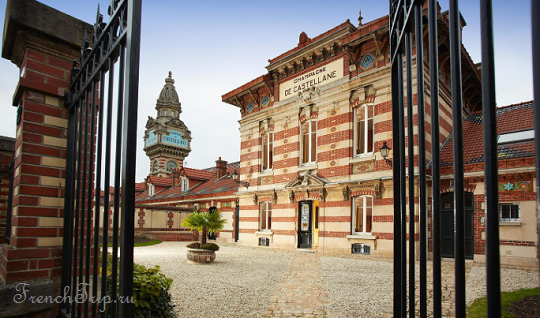
Flat chalk country west of Alsace, and the only place on earth entitled to the name. The Champagne hillsides, houses and cellars are UNESCO-listed.
It is also the northernmost wine region in France.
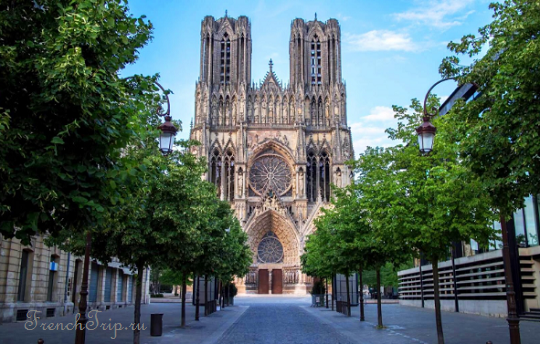
- Reims — the coronation cathedral and 250 km of chalk cellars beneath the streets
- Épernay — the Avenue de Champagne, with Moët and Perrier-Jouët along it
- Troyes — the best half-timbered old town in France, and three factory outlet villages
The big houses along the Avenue de Champagne are the easy option, and worth doing once. A smaller, lesser-known house out in the villages usually gives a better tasting and a warmer welcome, sometimes over dinner with the grower rather than a tour guide. Some French helps away from the big names, where English is not a given.
Lorraine
The least visited third, and the one that rewards a detour.
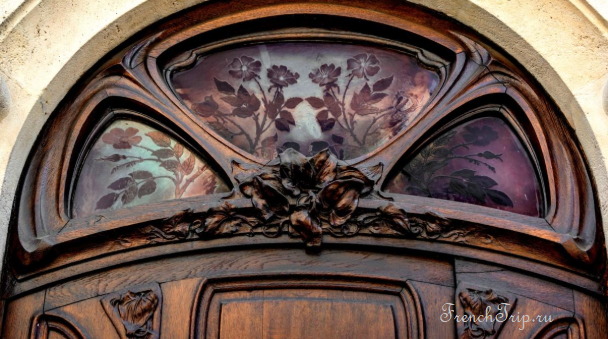
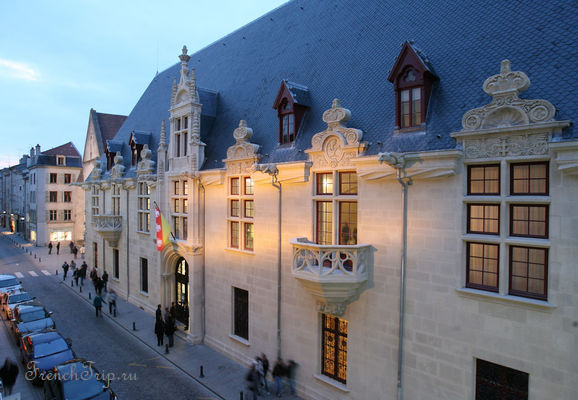
Nancy has two separate reasons to go. Place Stanislas, laid out in the 1750s by the exiled Polish king Stanisław Leszczyński, is one of the great eighteenth-century squares in Europe and is UNESCO-listed, gilded ironwork gates and all. And Nancy was the birthplace of the École de Nancy — the French Art Nouveau movement, Gallé and Daum glass, Majorelle furniture — with a museum and a whole quarter of villas.
Also in Lorraine:
- Metz — a Gothic cathedral with the largest area of stained glass in France, including windows by Chagall, and a Centre Pompidou outpost
- Verdun — the battlefield of 1916, the ossuary at Douaumont, and the forts left as they were. It is not a pleasant day out and it is one of the most important places in France.
- Domrémy — where Joan of Arc was born
- Baccarat — the crystal works, with a museum
The Ardennes and the Vosges
The north of the region is forest and river valley on the Belgian border — quiet, wooded and almost untouristed. The Vosges along the Alsace-Lorraine boundary give walking, small ski resorts, and the route des crêtes along the ridge with the Alps visible on a clear day.
What to eat
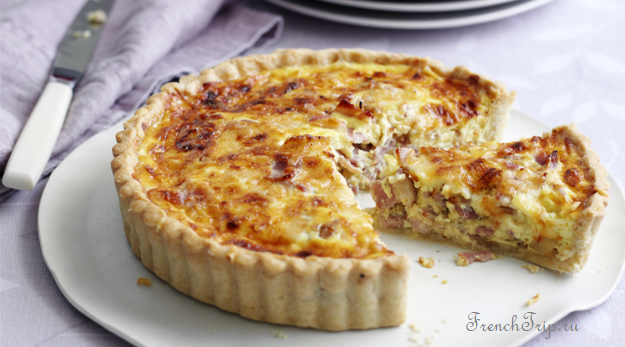
Three distinct cuisines. Alsace: choucroute, baeckeoffe, tarte flambée, munster, kougelhopf. Lorraine: quiche lorraine — properly made with eggs, cream and bacon and no cheese — plus mirabelle plums and the macarons of Nancy. Champagne: the wine, biscuits roses at Reims, chaource and langres cheeses, and andouillette at Troyes.
See the cooking of Alsace and French cheeses.
Getting around
- By train — the TGV Est makes this the easiest region in France to reach from Paris: Reims in 45 minutes, Strasbourg in 1 h 45, Nancy and Metz in about 1 h 30. Regional trains link the cities well.
- By car — necessary for the wine route villages, the Vosges and the Ardennes. See parking in France.
- By air — Strasbourg, and the shared EuroAirport at Basel-Mulhouse.
Colmar has no direct TGV: getting there from Paris means changing at Strasbourg, which adds roughly two hours to the journey.
When to go
May to October for everything, September and October for the harvest in both Alsace and Champagne, and December for the Christmas markets — Strasbourg’s has run since 1570 and the region does them better than anywhere in France. Winter otherwise is cold and grey; this is not the Mediterranean.
This page in Russian: Регион Гранд-Эст (Grand Est)
Updated: