Most Beautiful Cities in France
This is our choice of the ten most beautiful large cities in France, plus one we could not leave out. Small towns have a quite different charm and have their own list: the most beautiful small towns in France. As with any such list, the order is a matter of taste.
1. Paris
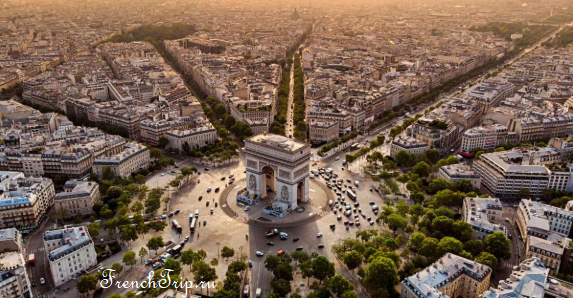
Paris hardly needs an introduction. It is one of the most visited cities in the world, a centre of food, art and fashion, and the city of painters and lovers. The banks of the Seine, from the Eiffel Tower to the islands with Notre-Dame, are a UNESCO World Heritage Site. To choose where to stay, see our guide to the arrondissements of Paris.
2. Strasbourg
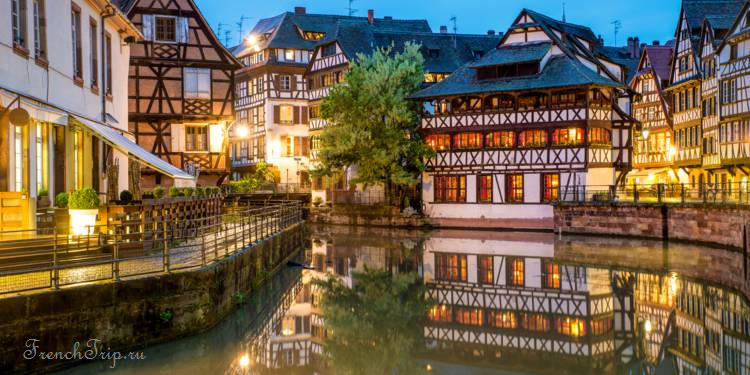
Strasbourg, the capital of Alsace and the seat of the European Parliament, is built on an island in the River Ill. Its historic centre, the Grande Île, is a UNESCO World Heritage Site, together with the German-era Neustadt. Look for the pink sandstone cathedral with its single soaring spire, the half-timbered houses and canals of Petite France, and the boat trips round the island. In December the city calls itself the “capital of Christmas”, with one of the oldest Christmas markets in France.
3. Avignon
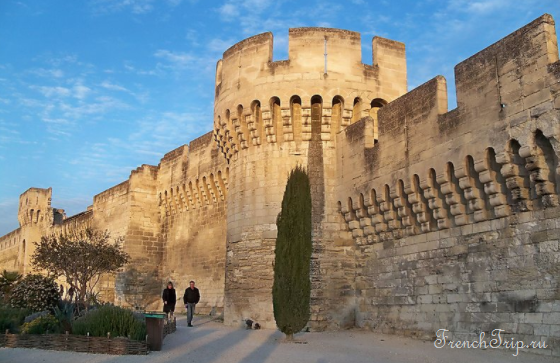
Avignon was the seat of the popes from 1309 to 1377. That chapter left the city the Palais des Papes, the largest Gothic palace in Europe, and a complete ring of medieval walls. The historic centre, with the palace and the famous broken bridge, the Pont Saint-Bénézet, is a UNESCO World Heritage Site. In July the city fills up for the Avignon Festival, one of the biggest theatre festivals in the world.
4. Nice
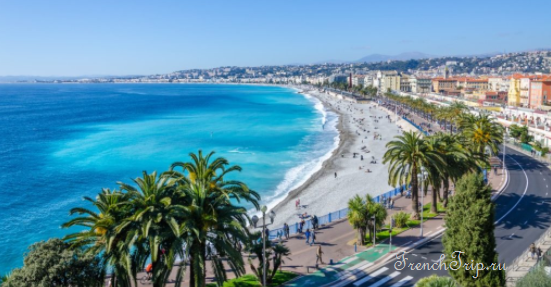
Nice is the capital of the French Riviera. For a century and a half it was the winter resort of European aristocrats, and in 2021 UNESCO listed it as “the winter resort town of the Riviera”. Walk the Promenade des Anglais along the Baie des Anges, get lost in the narrow lanes and markets of the old town, Vieux-Nice, and climb Castle Hill for the view. The beach is pebbles, not sand.
5. Lyon
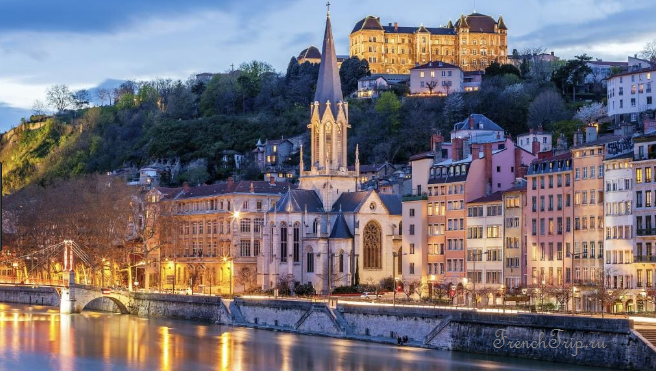
Lyon, at the meeting of the Rhône and the Saône, is often called the gastronomic capital of France, and its small traditional restaurants, the bouchons, are reason enough to come. Its historic centre is a UNESCO World Heritage Site. It runs from the Roman theatres and the basilica on Fourvière hill down to the Renaissance lanes of Vieux Lyon, with their hidden passages, the traboules, through courtyards and stairways.
6. Bordeaux
Bordeaux is world-famous for its wine. The city itself is one of the most elegant in France, a long curve of 18th-century stone façades along the Garonne, listed by UNESCO as the “Port of the Moon”. Its best-known sight is the Place de la Bourse reflected in the Miroir d’Eau, a huge shallow pool on the quay. The Cité du Vin, the wine museum, is a good introduction before you go out to the vineyards.
7. Dijon
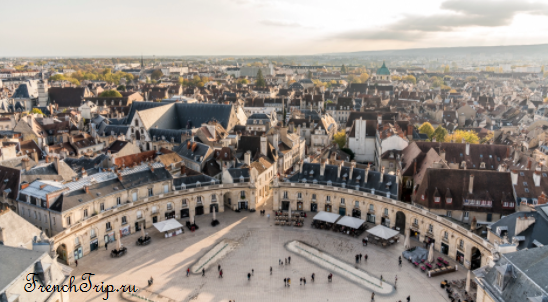
Dijon, the capital of Burgundy and home of the famous mustard, was the city of the powerful Dukes of Burgundy, and their palace still dominates the centre. The old town mixes medieval half-timbered houses with elegant classical town houses. Follow the little brass owls set into the pavement for a self-guided walk past the main sights. Dijon is also the gateway to the vineyards of the Côte de Nuits and the Côte de Beaune.
8. Aix-en-Provence
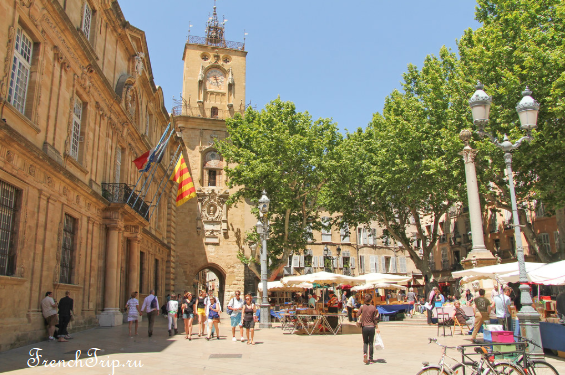
Aix-en-Provence is the elegant old capital of Provence, a city of fountains, plane trees and honey-coloured 17th- and 18th-century town houses. Its main street, the Cours Mirabeau, is lined with cafés. It was the home town of Paul Cézanne, and you can visit his last studio and follow his footsteps out to the mountain of Sainte-Victoire, which he painted again and again.
9. Toulouse
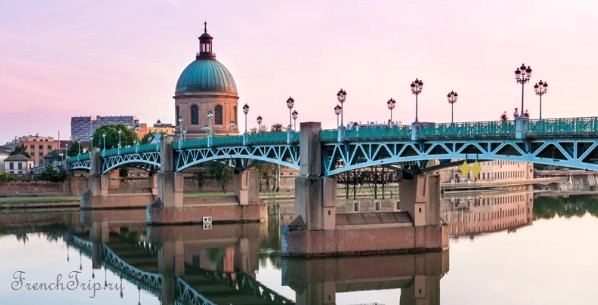
Toulouse, the fourth-largest city in France, is called the “pink city” for the colour of its brick. The Romanesque Basilica of Saint-Sernin, one of the largest Romanesque churches in Europe and a stop on the pilgrimage routes to Santiago de Compostela, is a UNESCO World Heritage Site. Toulouse is also the home of Airbus and of the European space industry, which you can explore at the Cité de l’Espace. It is a lively student city, and the Canal du Midi starts here.
10. Lille
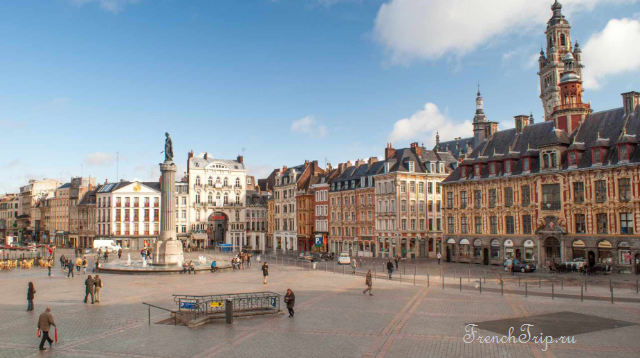
Lille, near the Belgian border, is the capital of French Flanders, and the Flemish influence shows in its architecture: the ornate Vieille Bourse, the gabled houses of the Grand’Place and the cobbled streets of Vieux-Lille. It has one of the best fine art museums in France, the Palais des Beaux-Arts. On the first weekend of September the whole city turns into a vast flea market, the Braderie. Lille is only about an hour from Paris by TGV, and the Eurostar from London stops here.
11. And one more: Rouen
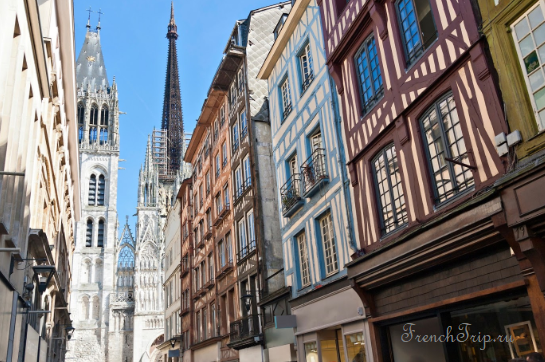
We could not leave out Rouen, the historic capital of Normandy. Joan of Arc was tried and burned here in 1431. Today it is a well-kept city that is easy to walk, with streets of colourful half-timbered houses, the Gros-Horloge, a Renaissance astronomical clock set in an arch over the main street, and its Gothic cathedral, which Monet painted more than thirty times. Rouen is an easy trip from Paris and a good gateway to Normandy.
What about Marseille?
Marseille, France’s oldest city and its second largest, often appears on lists like this one. Visitors are divided: some find it chaotic and rough at the edges, others love its energy, the Old Port, the Mucem museum and the calanques along the coast. It is a big port city, so take the usual care with bags and phones in crowded places.
Safety in big cities
All these cities are safe for visitors in general. The usual problem is pickpocketing on public transport, in railway stations and at the busiest sights. Keep your phone and wallet in a zipped bag or a front pocket, and be wary of people who approach you with petitions, “found” rings or friendship bracelets.
More ideas
- The most beautiful small towns in France
- The most beautiful villages in France
- UNESCO sights in France
Updated: