Champagne
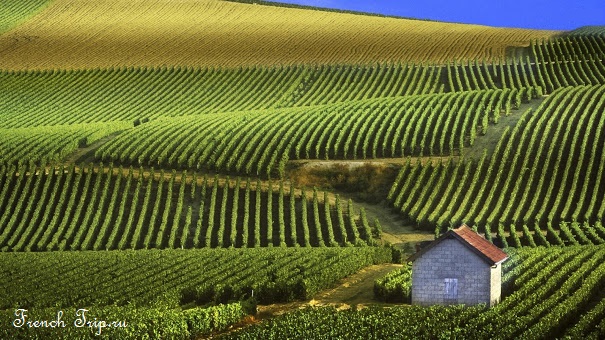
Champagne is a region of chalk hills and flat plain 150 km east of Paris, and it is the only place in the world entitled to put its name on sparkling wine. About 34,000 hectares are under vine — a small area for such a large reputation — and the hillsides, houses and cellars have been UNESCO-listed since 2015.
It is also close enough to Paris to be a day trip: Reims is 45 minutes by TGV.
How champagne is made
Three grapes are used: Chardonnay, Pinot Noir and Pinot Meunier. Most champagne is a blend of all three and of several years, which is why the majority of bottles carry no vintage — consistency is the house style, and only exceptional years are bottled alone.
The bubbles come from a second fermentation in the bottle: still wine plus sugar and yeast, sealed, and left in a cold cellar for at least fifteen months and often much longer. The dead yeast is worked down into the neck, frozen and ejected, and the bottle topped up with a dosage that decides the final style: brut nature has no added sugar, brut a little, demi-sec a good deal.
Terms worth knowing on the label: blanc de blancs is Chardonnay only, blanc de noirs the black grapes only, and the small letters RM mean a grower who made the wine from their own fruit, as against NM for a house that buys grapes in.
Where to go
Reims
The coronation cathedral, and the cellars of Veuve Clicquot, Ruinart, Taittinger, Pommery, Krug and Louis Roederer, cut into the chalk — some of them Roman quarries reused. Most run tours ending in a tasting; nearly all want a booking. See the Reims guide.
Épernay
Smaller than Reims and more single-minded: the Avenue de Champagne is a straight kilometre of grand houses — Moët & Chandon, Perrier-Jouët, Pol Roger, Mercier — with a hundred kilometres of cellars underneath it. Churchill drank enough Pol Roger to have a cuvée named after him.
The vineyard routes
Three marked circuits run through the villages, and this is where the growers are:
- Montagne de Reims — between Reims and Épernay, Pinot Noir on the north-facing slopes, with the grand cru villages of Verzenay, Verzy, Bouzy and Aÿ
- Vallée de la Marne — Pinot Meunier along the river, and Hautvillers, where Dom Pérignon was cellarer
- Côte des Blancs — Chardonnay only, south of Épernay, at Avize, Cramant and Le Mesnil-sur-Oger
Troyes and the Côte des Bar
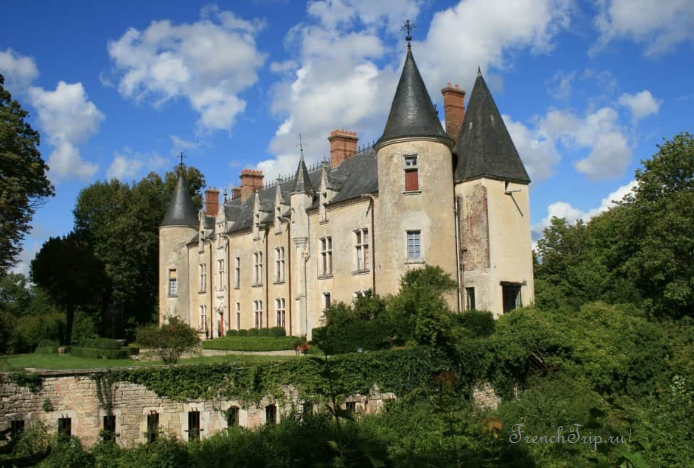
The southern third of the appellation, in the Aube around Troyes, is 22% of all champagne production and was long treated as the poor relation. It now makes some of the most interesting grower champagne in France, and it is far quieter than the Marne.
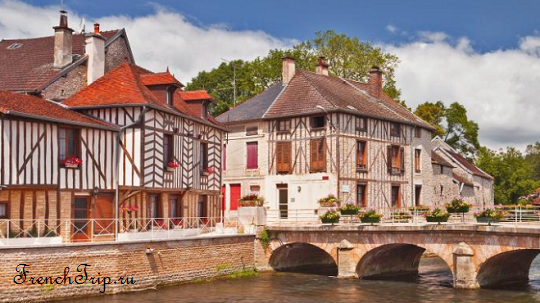
Essoyes is worth the detour: Renoir‘s wife came from here and the family spent thirty summers in the village. His studio and house are open, and he is buried in the churchyard.
Dom Pérignon
The monk of Hautvillers did not invent champagne — sparkling wine was made in Limoux before him and the English were putting bubbles in Champagne wine in the seventeenth century. What he did, as cellarer of the abbey from 1668 to 1715, was work out blending across parcels, pressing black grapes for white wine, and clarifying it. The legend of “come quickly, I am tasting the stars” was invented by a nineteenth-century advertising campaign.
His abbey at Hautvillers is above Épernay and his tomb is in the church.
Visiting practicalities
- Book the big houses ahead — often weeks in season. Growers in the villages are more informal and frequently more interesting.
- Cellars are cold — 10–12 °C all year, and the tours run through kilometres of them. Bring a layer even in August.
- Buying — grower champagne at the door is a fraction of restaurant prices and much of it never reaches a shop.
- Driving — this is a tasting region. Take a driver who abstains, or one of the day tours from Reims or Épernay.
See French wines and wine routes in France.
Beyond the wine
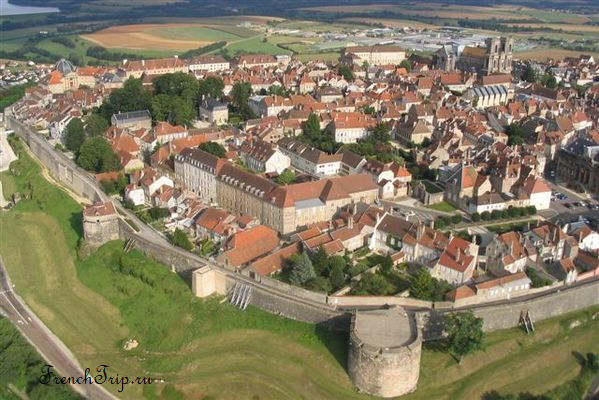
- Langres — a walled town on a plateau with 3.5 km of ramparts you can walk right round; Diderot was born here
- Châlons-en-Champagne — canals and two great churches, and almost no visitors
- The half-timbered churches of the Aube — a marked route through villages where the churches are timber-framed like the houses, which exists nowhere else in France
- Lac du Der — one of the largest artificial lakes in Europe, and a major stop for migrating cranes in autumn
- Nigloland — the theme park near Troyes, good for small children
What to eat
Ham cooked in champagne, potée champenoise, andouillette at Troyes, biscuits roses at Reims, and the cheeses — chaource, langres and the pungent maroilles from the north. The still red wines of the Coteaux Champenois are worth trying where you find them.
Getting there
- By train — Paris Est to Reims in 45 minutes, Épernay in 1 h 15, Troyes in 1 h 30 from Paris Bercy. Note that Reims has a second, out-of-town TGV station: check which one your ticket says.
- By car — the A4 from Paris to Reims in under two hours. Necessary for the vineyard villages.
- By air — Paris Charles de Gaulle is 30 minutes from Reims by road.
When to go
May to October. September is the harvest, when the whole region is working and the villages are at their most alive — though the growers have less time for visitors then. December brings Christmas markets and the cellars at their most atmospheric.
See Grand Est and UNESCO sites in France.
Updated: