Champagne Bottle Sizes
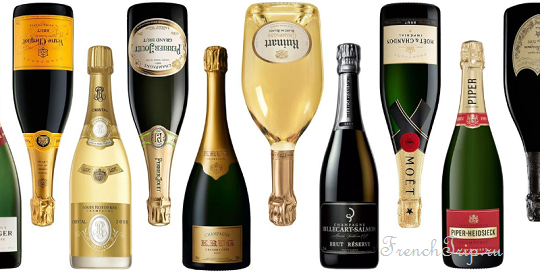
Everyone knows what a bottle of champagne looks like. But champagne is made in more than a dozen sizes, from a small bottle for one person to giants that hold 30 litres, enough for 40 ordinary bottles. Most of them have names taken from the Bible, and the big ones are a fixture of the cellars and shop windows of Reims and Épernay. Here is what they are called, how much they hold, and why the size matters for the wine itself.
The sizes and their names
| Name | Volume | Standard bottles |
|---|---|---|
| Quarter (quart, sometimes called a piccolo) | 20 cl | ¼ |
| Half bottle (demi-bouteille) | 37.5 cl | ½ |
| Standard bottle | 75 cl | 1 |
| Magnum | 1.5 l | 2 |
| Jeroboam | 3 l | 4 |
| Rehoboam (rarely made today) | 4.5 l | 6 |
| Methuselah | 6 l | 8 |
| Salmanazar | 9 l | 12 |
| Balthazar | 12 l | 16 |
| Nebuchadnezzar | 15 l | 20 |
| Solomon | 18 l | 24 |
| Sovereign | 26.25 l | 35 |
| Primat (or Goliath) | 27 l | 36 |
| Melchizedek (or Midas) | 30 l | 40 |
A standard case holds six 75 cl bottles or three magnums.

Small bottles
The quarter (20 cl) is the bottle you get on aeroplanes, in hotel minibars and in gift sets, often sold in threes. It is enough for one or two glasses. The half bottle (37.5 cl) is common in Champagne itself and on restaurant wine lists, and is a good size for two people with a meal. Elsewhere it can be surprisingly hard to find in shops.
The magnum
Many champagne lovers consider the magnum the best size of all, not just a bigger one. The wine in a magnum has the same small amount of air under the cork as a standard bottle, but twice as much wine, so it develops more slowly and evenly, and many people find that it tastes fresher and finer after a few years. Some houses keep their oldest reserves in magnums for this reason. A magnum costs a little more than two standard bottles.
The big bottles
Above the Jeroboam the bottles become rare and made for occasions: weddings, launches, celebrations and Formula 1 podiums. They are usually made to order and sold by the champagne houses themselves.
The names are mostly taken from the Bible. Jeroboam, Rehoboam and Solomon were kings of Israel; Methuselah was the patriarch who lived for 969 years; Salmanazar and Nebuchadnezzar were kings of Assyria and Babylon; Balthazar was one of the three Magi; Melchizedek was the priest-king of Salem. Why the trade chose these names is not really known. They seem to have come into use in the 19th and 20th centuries, partly as a joke.
Why size matters: the bottle is where champagne is made
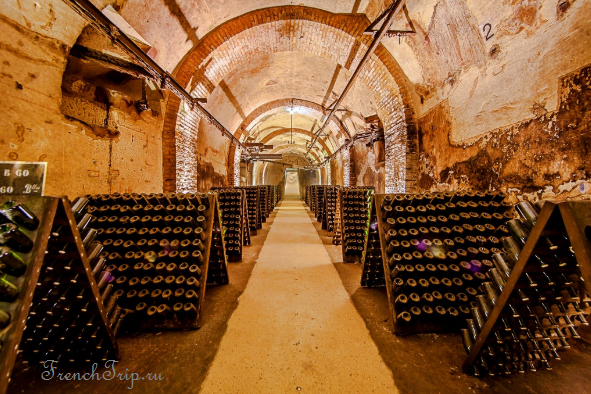
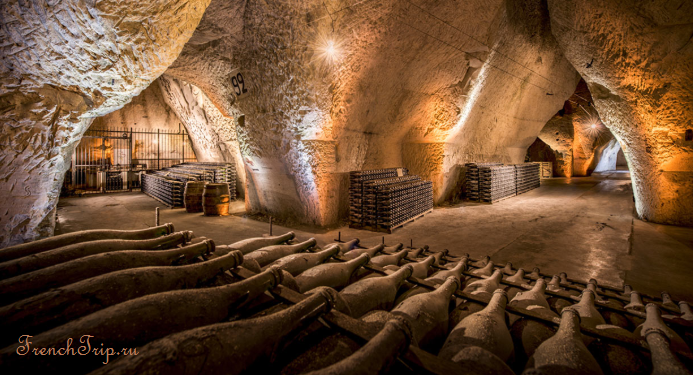
Champagne gets its bubbles from a second fermentation inside the bottle. After the first fermentation the still wine is bottled with a little sugar and yeast, sealed, and laid down in the chalk cellars for months or years. The yeast turns the sugar into alcohol and carbon dioxide, which cannot escape and dissolves into the wine.
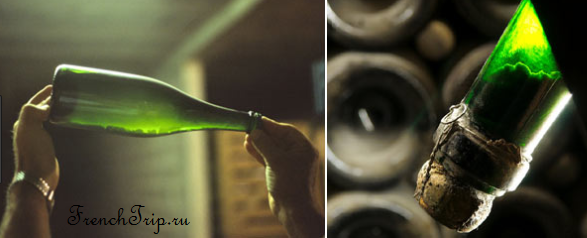
The rules of the Champagne appellation require that, from the half bottle up to the Jeroboam, the wine is sold in the same bottle in which this second fermentation took place. Quarters and the very large sizes are an exception: they are usually filled with wine that has fermented in standard bottles or magnums and is transferred under pressure. That is one more reason why the magnum is so highly regarded, and the giants are more about show than quality.
Opening a bottle safely
The pressure in a bottle of champagne is about six atmospheres, two or three times that in a car tyre, and a cork that flies out can do real harm. Eye injuries from champagne corks are well known to doctors.
- Chill it well, to about 8–10 °C. A warm bottle has more pressure and foams over.
- Never point the bottle at anyone, including yourself, and keep it at an angle of about 45 degrees.
- Keep a thumb or a cloth over the cork from the moment you loosen the wire cage. Hold the cork and turn the bottle, not the cork, and ease it out with a soft sigh rather than a bang.
- Do not shake the bottle. Spraying champagne, as on a podium, is for racing drivers in goggles.
- Big bottles are heavy and awkward to pour. A Methuselah or larger usually needs two people, or a cradle.
Where to see them
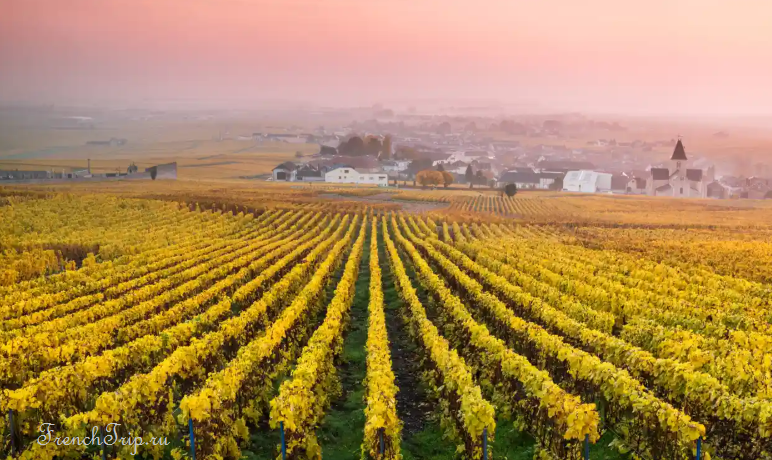
The champagne houses of Reims and Épernay often show their largest bottles in their visitor centres, and the shops along the Avenue de Champagne in Épernay sell most sizes from the half bottle to the Jeroboam, with the giants on order. A cellar tour is the best way to see how champagne is made, from the vineyards to the racks of bottles in the chalk. The cellars stay at about 10–12 °C all year, so bring a jumper, even in summer.
For the region itself, see our guides to Champagne, Reims, Épernay and Troyes, and for what to eat with it, the cuisine of Champagne-Ardenne.
Updated: