Cuisine of Champagne-Ardenne
Champagne-Ardenne is one of the cradles of French gastronomy, and not only because of the wine. The forests give mushrooms and game, the market gardens give vegetables that appear nowhere else, and the cheese counter alone — brie, chaource, langres — would justify the trip.
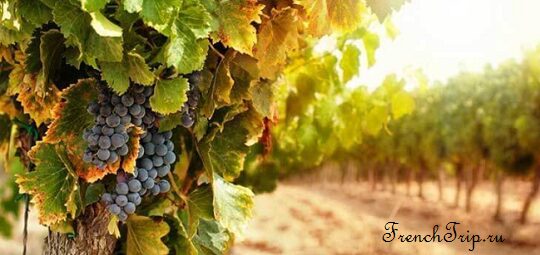
Four departments, four kitchens
From north to south the region runs Ardennes, Marne, Aube, Haute-Marne, and each one cooks differently.
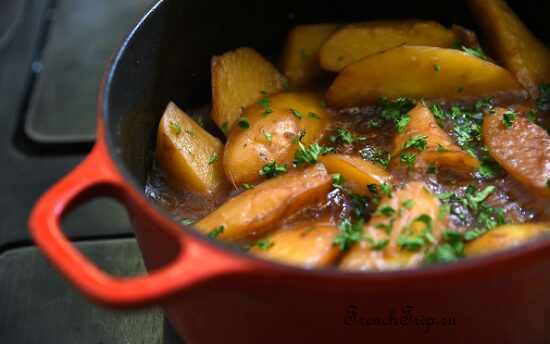
In the Ardennes the potato is the staple: in salads with bacon, in bayenne (potatoes and onions stewed together), and in cacasse à cul nu, a potato stew seasoned with herbs — the name translates as something like «bare-bottomed pan», a dish for households with no meat. Game is everywhere, especially the wild boar of the Ardennes forests.
The Marne — the Champagne of the bottles, with Reims at its centre — cooks with champagne, plainly and often: hot oysters with champagne, chicken with champagne, sabayon with champagne. The Aube has the andouillette of Troyes. The Haute-Marne offers pike-perch à la joinvillaise, quail à la clefmontaise and the caisse de Wassy.
Vegetables
The kitchen gardens of Champagne produce potatoes, leeks, cabbage, carrots, beans, beetroot and turnips — including the boulet de Bussy, an old variety brought back into cultivation for its very mild taste. Champagne lentils are small and pinkish with a faintly sweet flavour, good in a salad or alongside fish, and white asparagus arrives in spring.
The forests give mushrooms in quantity and, in the Haute-Marne, the grey truffle that local enthusiasts call the pearl of the woods. The main vegetable dishes are braised cabbage: potée champenoise, or choucroute champenoise — sauerkraut cooked with champagne — of which the version from Brienne-le-Château has its own annual festival.
Sauces and condiments
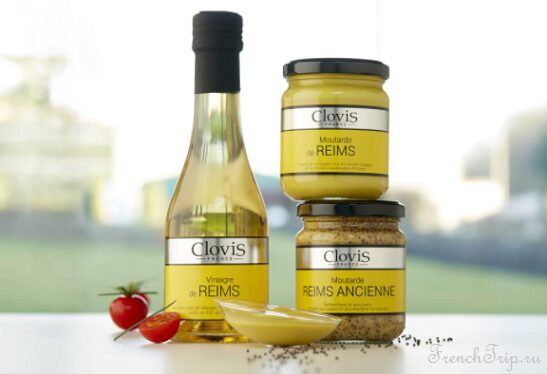
Sauces here are built on champagne for poultry and fish, or on Reims mustard and Reims vinegar. Butter matters as much as it does anywhere in northern France.
Fish
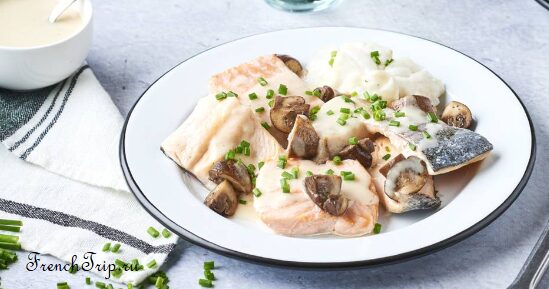
Trout is the fish of the chalk streams and is cooked with champagne as often as not. Carp, eel and pike follow, usually in a matelote, stewed in wine.
Charcuterie and meat
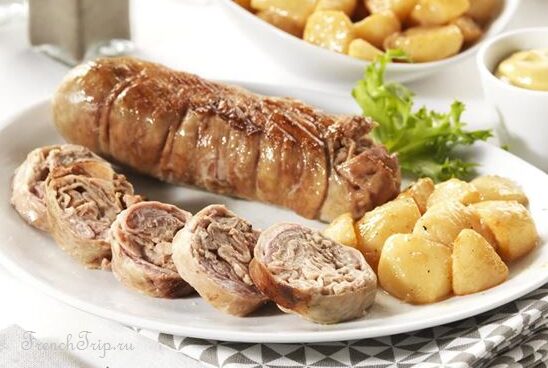
Andouillette de Troyes is the region’s signature: a tripe sausage that may be called véritable only if it comes from the Aube and its outlying cantons. Strong, and best approached with mustard.
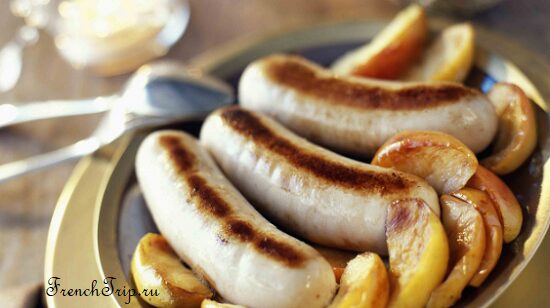
Boudin blanc de Rethel (Label Rouge and IGP) is made of fresh pork, pork fat, milk and eggs, sold plain or with truffles. Reims ham is cooked shoulder seasoned with champagne. The jambon sec des Ardennes is dry-cured, salted and unsmoked — not to be confused with the Belgian jambon d’Ardenne. Pâté-croûte, in its Ardennes or Champagne version, is a bakery staple.
Poultry means Champagne geese, ducks and chickens and the red turkey of the Ardennes; there is some lamb, beef and goat, and the large white snails of Champagne. Game covers boar, roe deer, hare, thrush, partridge and red deer.
Cheese
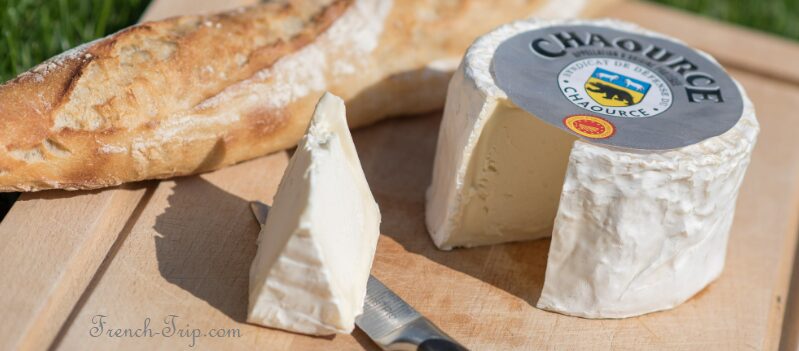
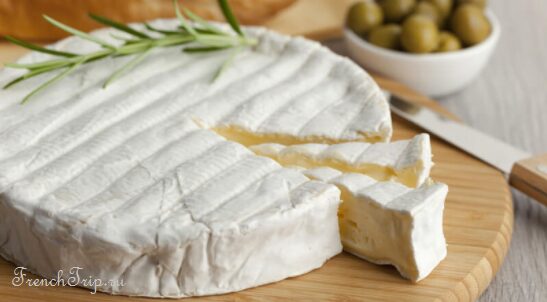
Chaource is the local soft cheese, mild and slightly salty, and a classic partner for a glass of champagne. Brie — from Meaux and from Provins, at the region’s western edge — is the one the world knows. Langres, from the Haute-Marne, is washed-rind and strong, with a hollow at the top that people fill with marc.
Sweets
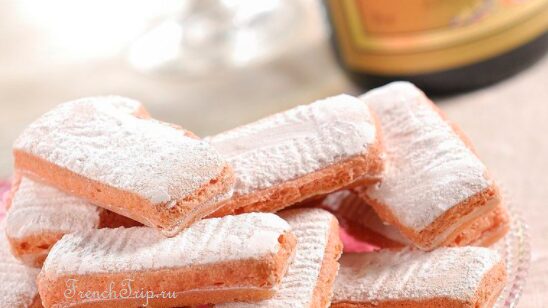
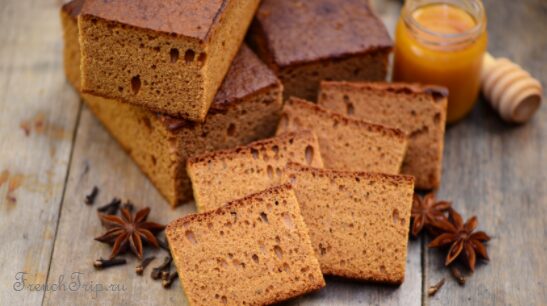
The biscuit rose de Reims is the emblem — a dry pink biscuit made to be dipped into a glass of champagne, and used in the region’s charlottes and trifles. Pain d’épices, the spiced honey loaf, is the other Reims speciality.
In the Ardennes look for vautes, tantimolles and berdelles — thick pancakes served either savoury or sweet — along with sugared fritters and soft cakes.
What to drink
Champagne, obviously. Chardonnay, Pinot Noir and Pinot Meunier do the work, but four more varieties are permitted: Arbane, Petit Meslier, Pinot Blanc and Pinot Gris. Beyond the bottles there are the still wines of the Côteaux Champenois, ratafia, marc de Champagne, and cider in the north of the region.
See also the cuisine of Grand Est, which now administratively contains Champagne-Ardenne, and its two neighbours in that region, the cuisine of Alsace and the cuisine of Lorraine. For the rest of the country, French cuisine.
Updated: