French Painters
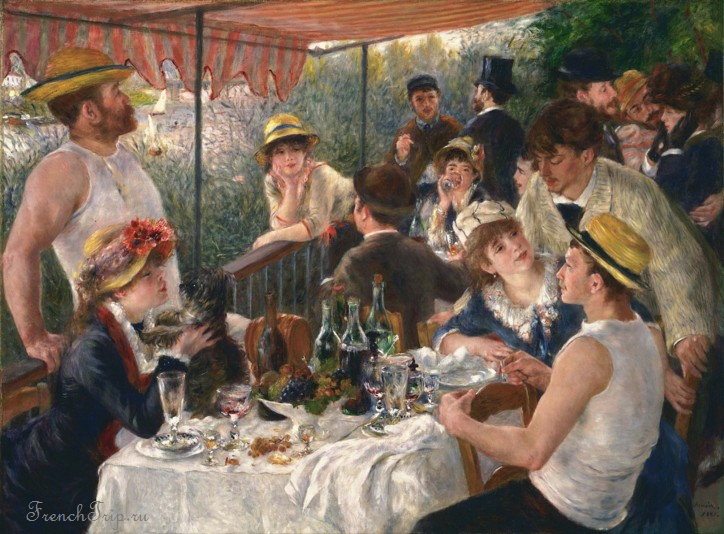
For about three centuries France was at the centre of European painting, and for some of that time it was the centre. French kings paid painters and founded the Academy of Fine Arts; the Louvre and the annual Salon set the standard of taste. Then, in the 19th century, French painters rebelled against those same institutions and invented much of what we now call modern art.
This page is a short guide to the best-known French painters, from the 17th century to the early 20th, with the painters from abroad who did their best work in France. For each one we say where in France you can follow them: the towns they painted and the museums that hold their work. All the pictures on this page are in the public domain.
A short timeline
- 17th century: the French Baroque and classicism. After the Italian Renaissance, France began to lead in its own right: La Tour, Poussin, Claude.
- 18th century: the Rococo. Light, pastel, playful painting for the court of Louis XV: Watteau, Boucher, Fragonard.
- Late 18th and early 19th century: Neoclassicism and Romanticism. David and Ingres against Delacroix: line against colour, reason against passion.
- Mid 19th century: Realism. Courbet, Millet, Rosa Bonheur paint peasants, animals and ordinary life.
- From the 1870s: Impressionism. Painting outdoors, light and colour in visible brushstrokes: Monet, Renoir, Pissarro, Degas, Morisot, Sisley.
- From the 1880s: Post-Impressionism and after. Cézanne, Gauguin, Seurat, Van Gogh, Toulouse-Lautrec, and then Matisse and the Fauves, Picasso and Cubism, which lead into modern art.
The 17th and 18th centuries
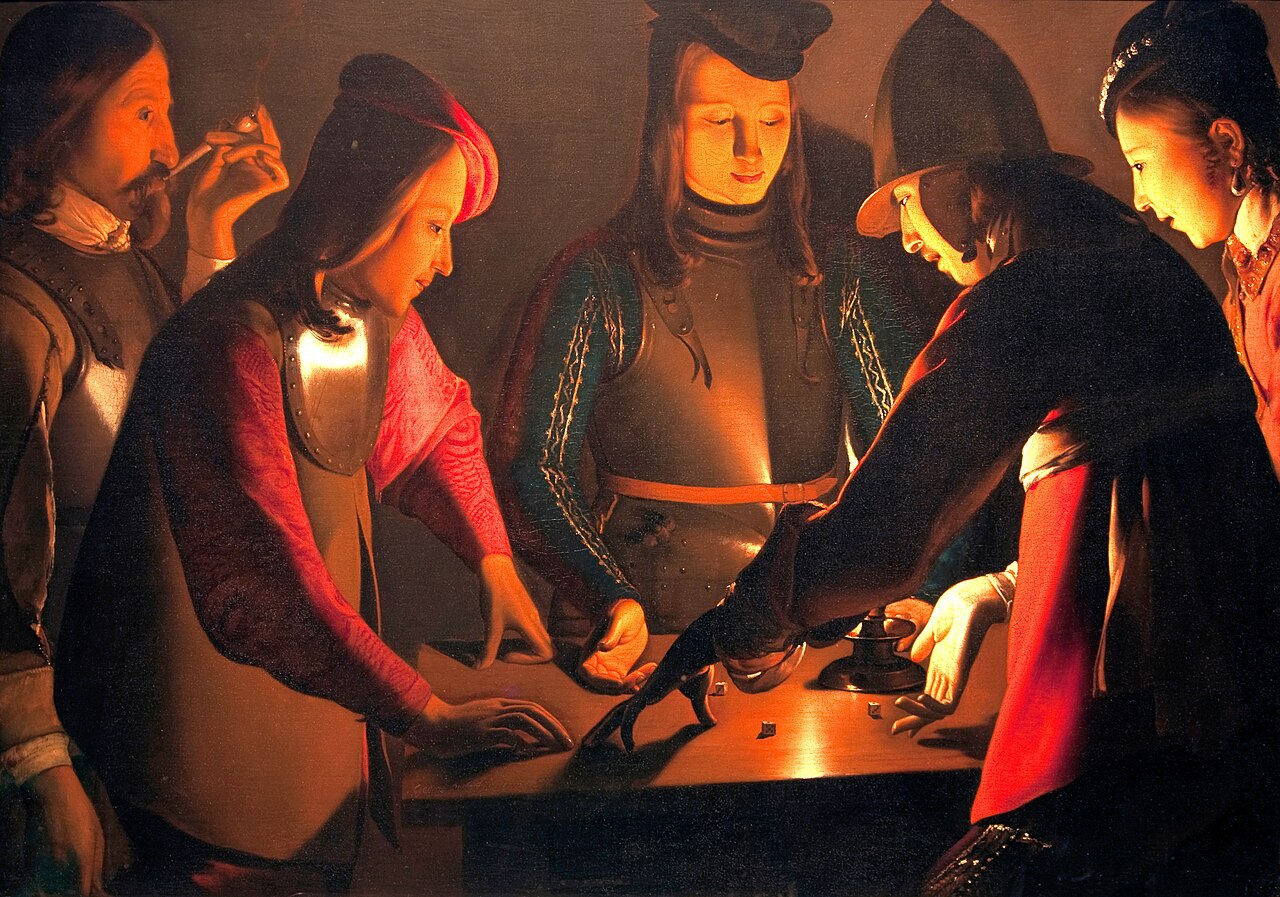
Georges de La Tour (1593–1652). A Baroque painter who spent most of his life in the Duchy of Lorraine, which France absorbed during his lifetime. He painted mostly religious scenes and card players lit by a single candle, with sharp contrasts of light and dark. He was almost forgotten for two centuries and rediscovered in the 20th. There is a museum devoted to him in his birthplace, Vic-sur-Seille in Lorraine, and the Louvre has several of his finest works.
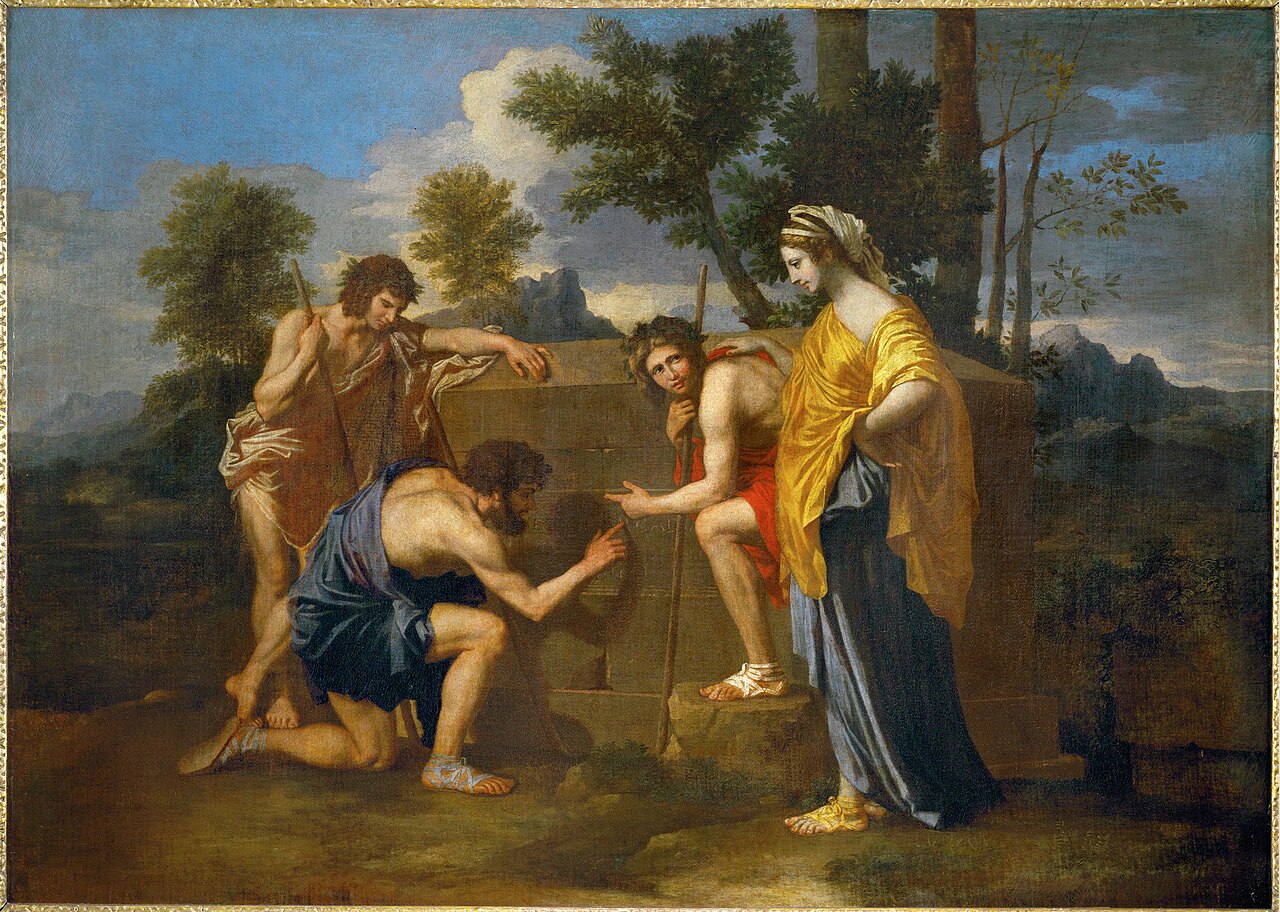
Nicolas Poussin (1594–1665). The great master of French classicism, though he spent almost all his working life in Rome. He painted religious and mythological subjects in calm, carefully balanced compositions for a small circle of collectors. He was called back to Paris to be First Painter to Louis XIII, but soon returned to Rome. He was born near Les Andelys in Normandy; the Louvre has the largest collection of his work.
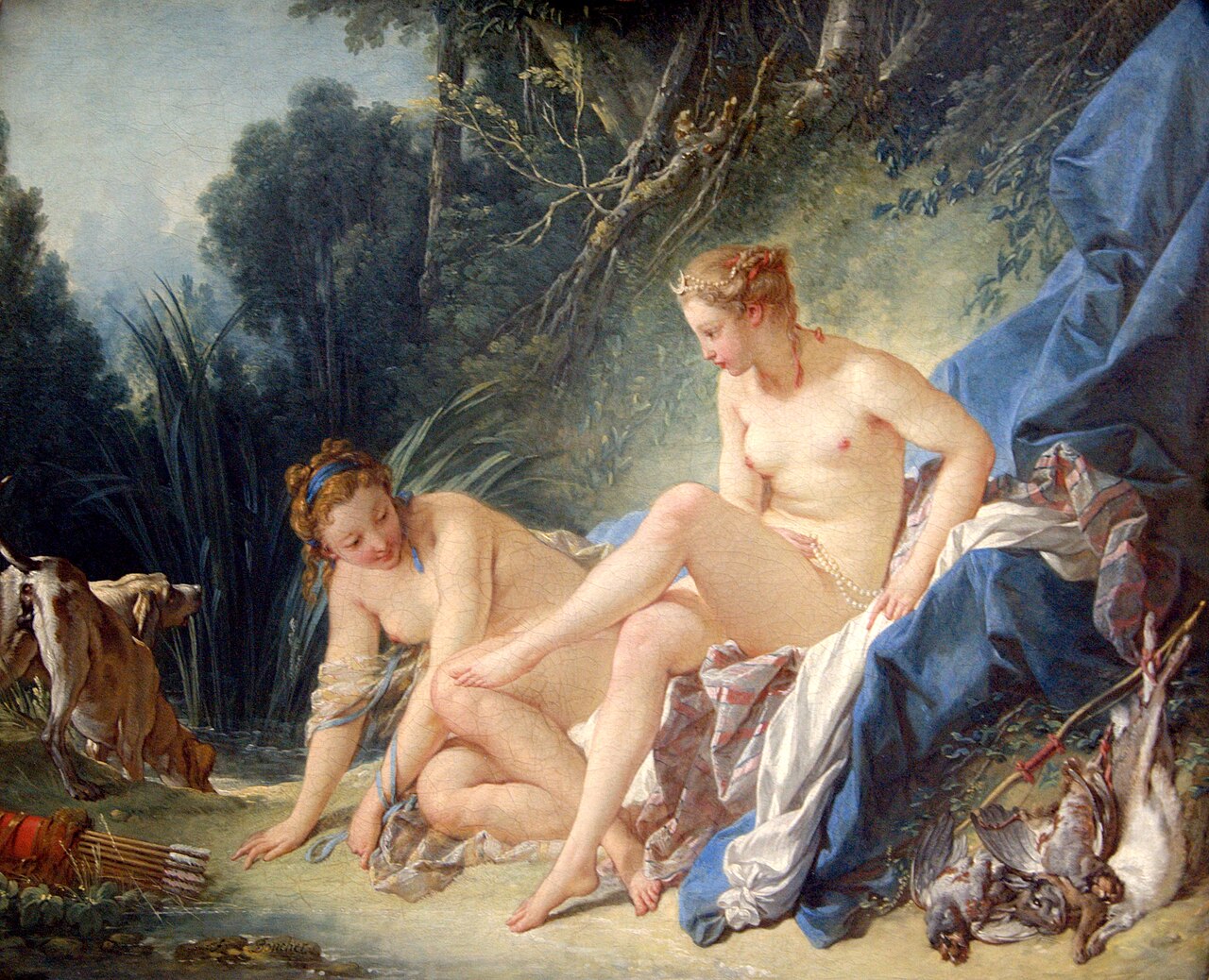
François Boucher (1703–1770). The painter of the Rococo: idyllic, sensual mythological scenes and pastoral fantasies, and decorations for the palaces of the king. Madame de Pompadour, Louis XV’s mistress, was his great patron, and he painted several portraits of her.
Jean-Honoré Fragonard (1732–1806). The last great painter of the Rococo, with its light colours, curving forms and gentle, often slightly risqué subjects. He painted more than 550 pictures. He was born in Grasse, the perfume town above Cannes, where a villa-museum carries his name.
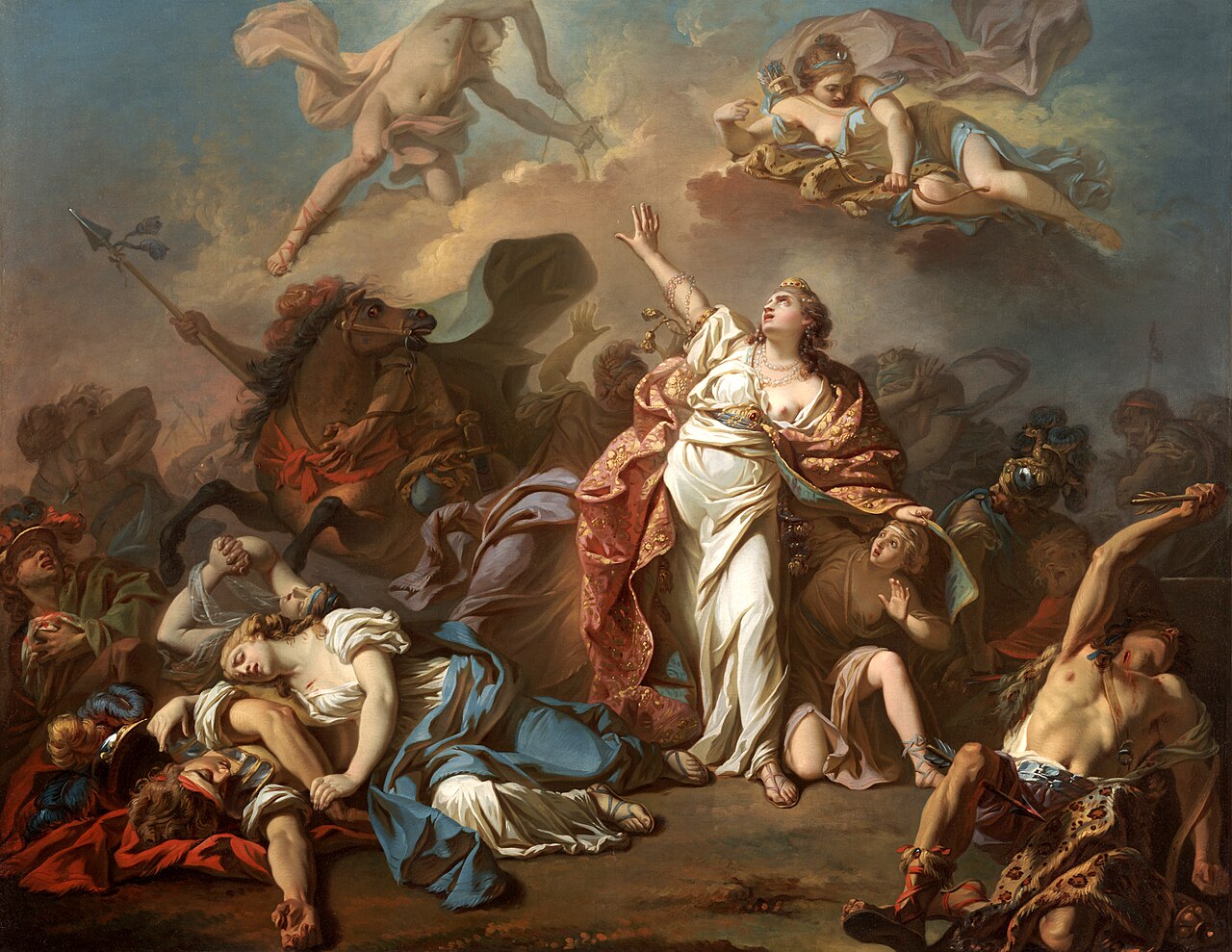
Jacques-Louis David (1748–1825). The leading painter of Neoclassicism. In the 1780s his history paintings turned taste away from the frivolity of the Rococo towards Roman severity and civic virtue. He was a revolutionary, then Napoleon’s painter; his huge Coronation of Napoleon is in the Louvre.
The 19th century before Impressionism
Jean-Auguste-Dominique Ingres (1780–1867). A Neoclassical painter who saw himself as a history painter but was most admired for his portraits. His deliberate distortions of the body, as in the long back of the Grande Odalisque, influenced Picasso and Matisse a century later. His home town, Montauban near Toulouse, has a museum of his work.
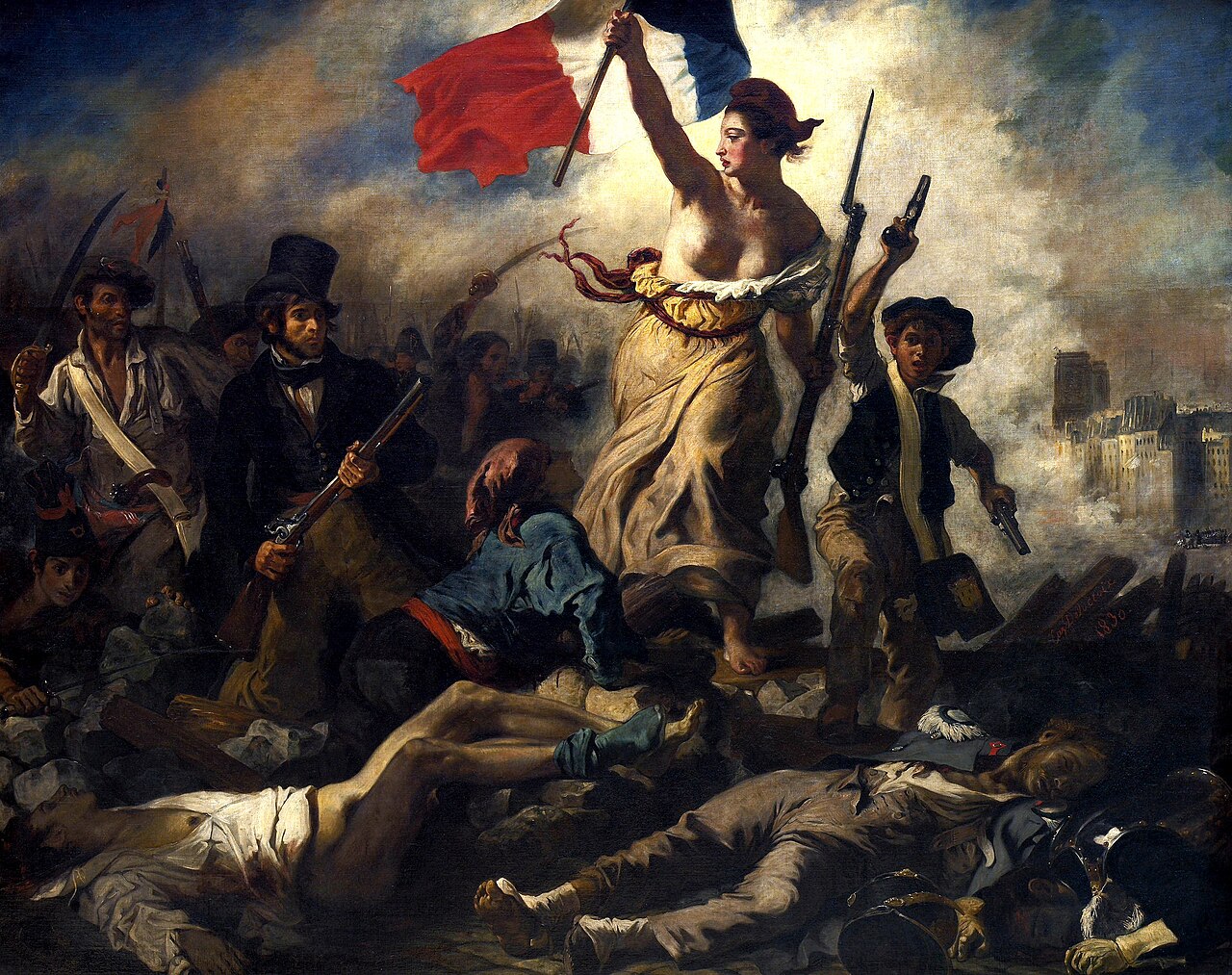
Eugène Delacroix (1798–1863). The leader of French Romanticism: drama, colour, movement and an interest in the exotic, which took him to North Africa in 1832. His loose, expressive brushwork paved the way for the Impressionists. Liberty Leading the People, painted after the revolution of 1830, is in the Louvre. His last apartment and studio, on a small square in Saint-Germain-des-Prés in Paris, is a museum.
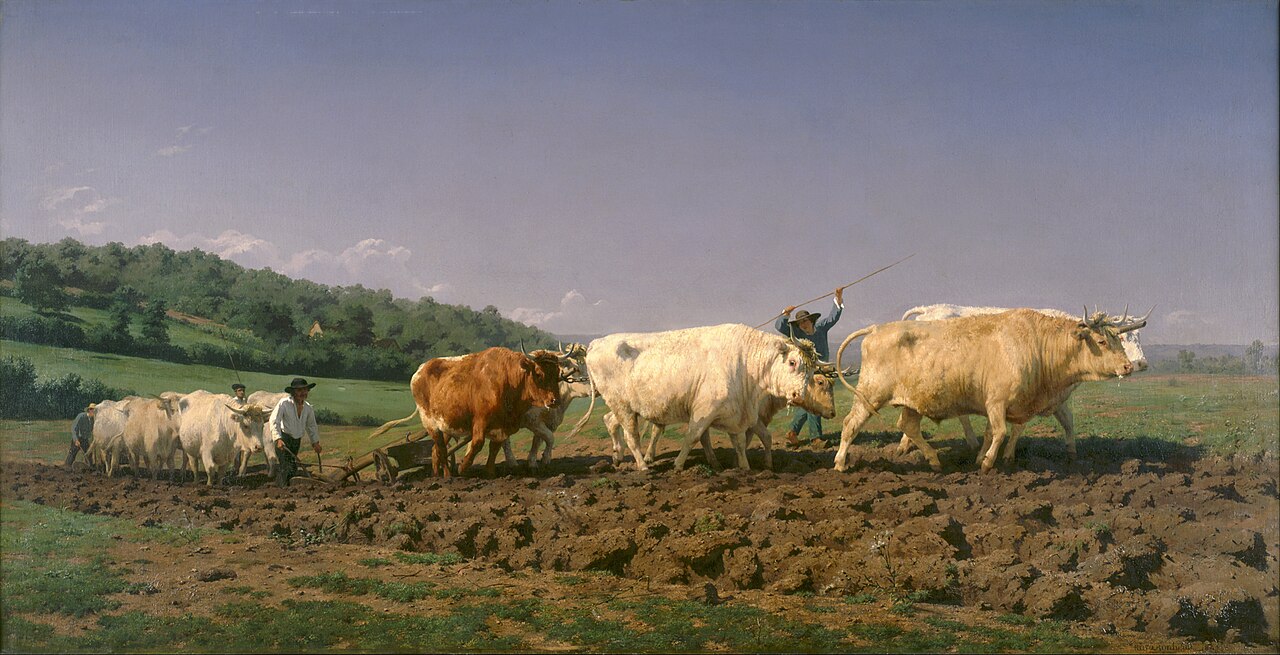
Rosa Bonheur (1822–1899). A Realist painter and sculptor of animals and probably the most famous woman artist of the 19th century. Her best-known work is the monumental Horse Fair. She refused to give animals human expressions, and painted them as they are. Her house and studio at the Château de By, at Thomery near Fontainebleau, can be visited.
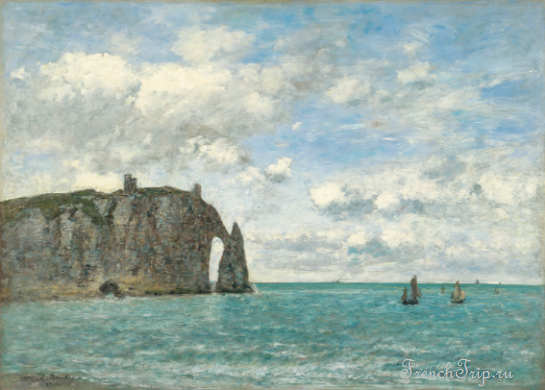
Eugène Boudin (1824–1898). One of the first French landscape painters to work outdoors. A painter of the sea, beaches and harbours of Normandy, and above all of skies: Corot called him “the king of skies”. He was the first to encourage the young Monet to paint from nature. There is a museum of his work in his home town, Honfleur, and the museum in Le Havre (MuMa) has many of his pictures.
Jean-Léon Gérôme (1824–1904). A painter and sculptor in the academic tradition: history, Greek mythology, Orientalist scenes and portraits. He trained in Paris under Paul Delaroche and travelled with him to Italy. As a teacher at the École des Beaux-Arts he was one of the fiercest opponents of the Impressionists.
The Impressionists
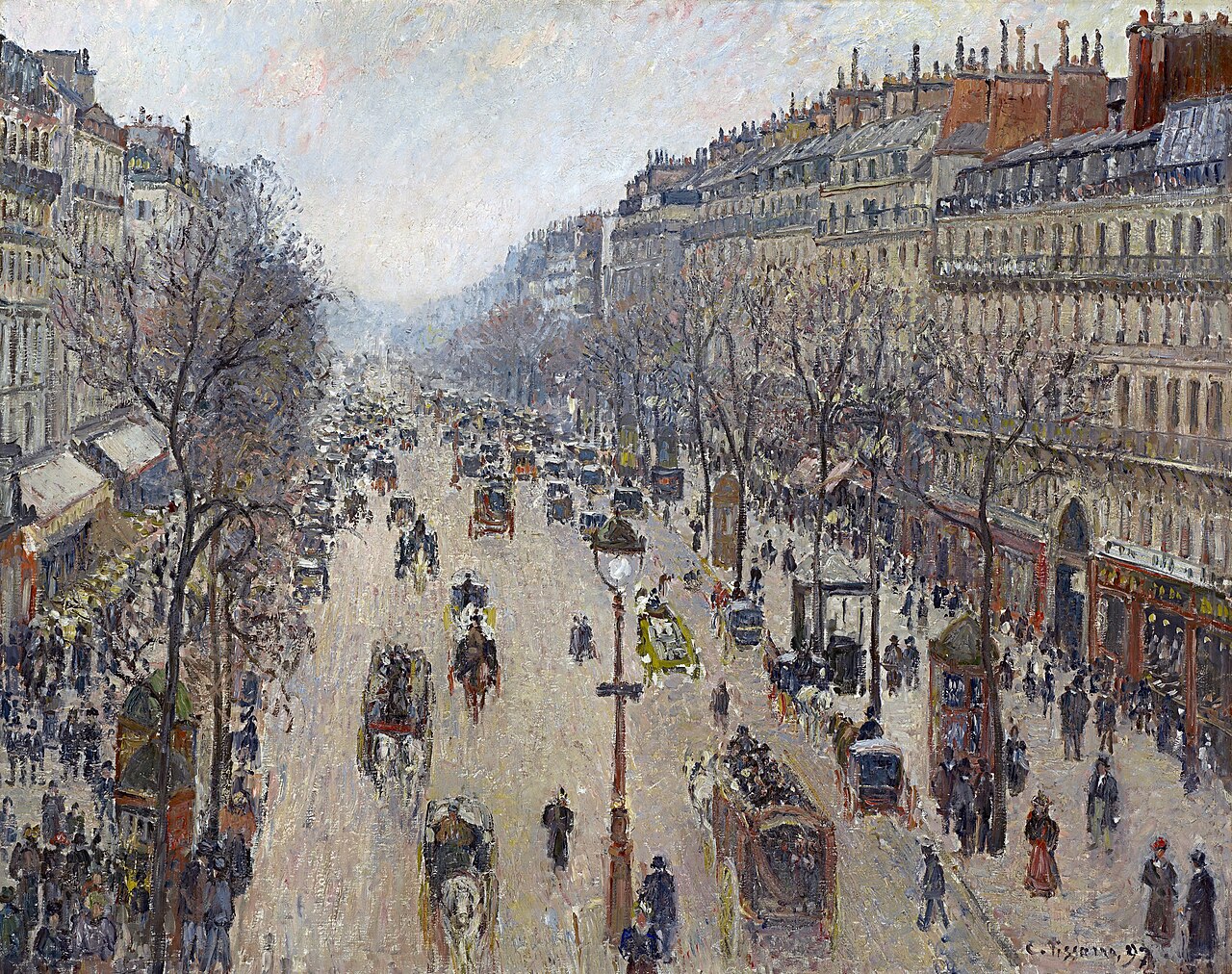
Camille Pissarro (1830–1903). The father figure of Impressionism, friend and adviser to Cézanne, Monet, Renoir, Degas, Gauguin and Seurat. He was the only painter to show work at all eight Impressionist exhibitions in Paris, from 1874 to 1886. He lived and painted for years in Pontoise and later at Éragny, north-west of Paris, and late in life painted views of the Paris boulevards from hotel windows.
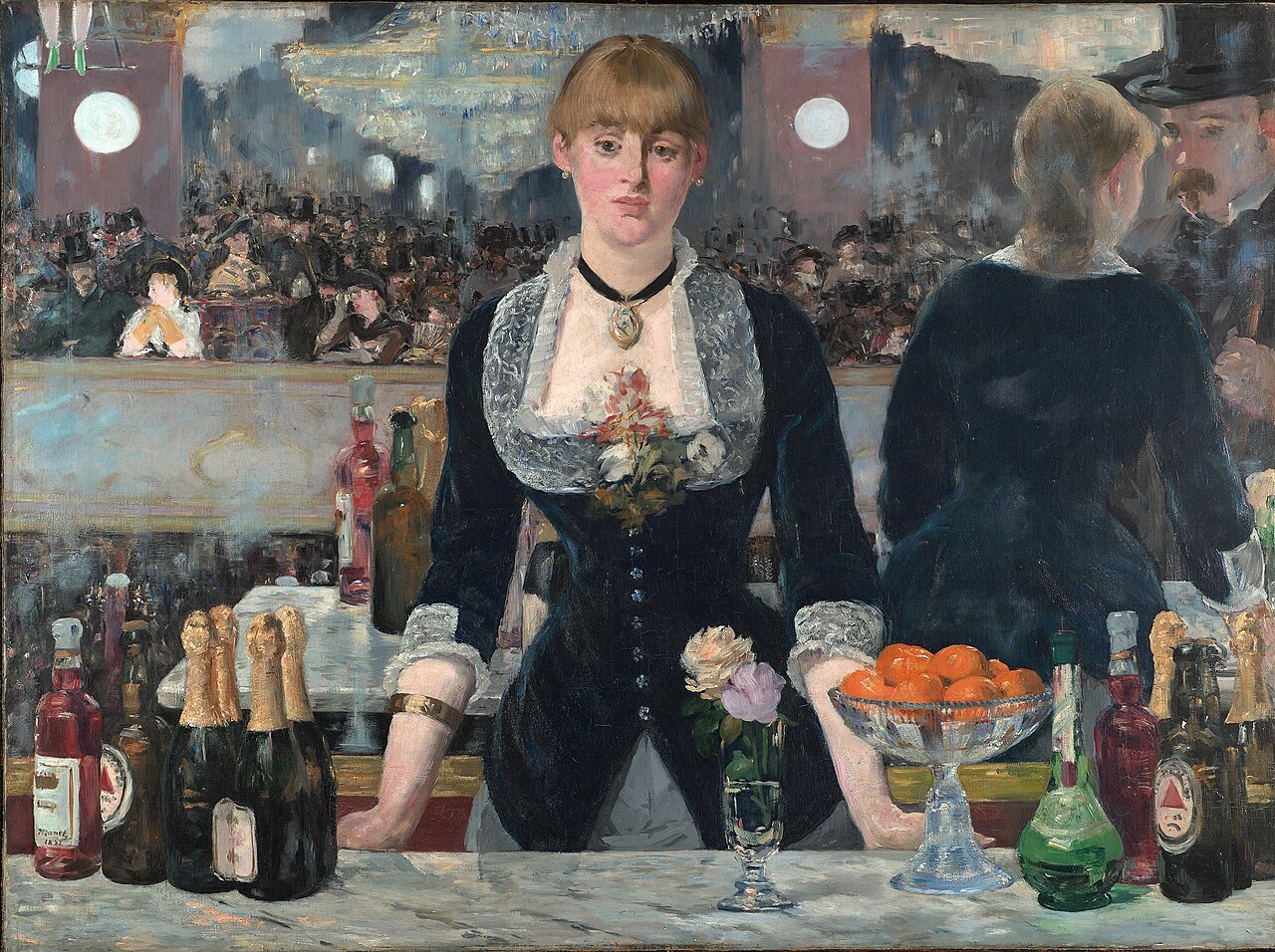
Édouard Manet (1832–1883). One of the first painters to take modern life in Paris as his subject, and the bridge between Realism and Impressionism. His Déjeuner sur l’herbe and Olympia, both now in the Musée d’Orsay, caused scandals in the 1860s and inspired the younger painters. His last great work, A Bar at the Folies-Bergère, is in London.
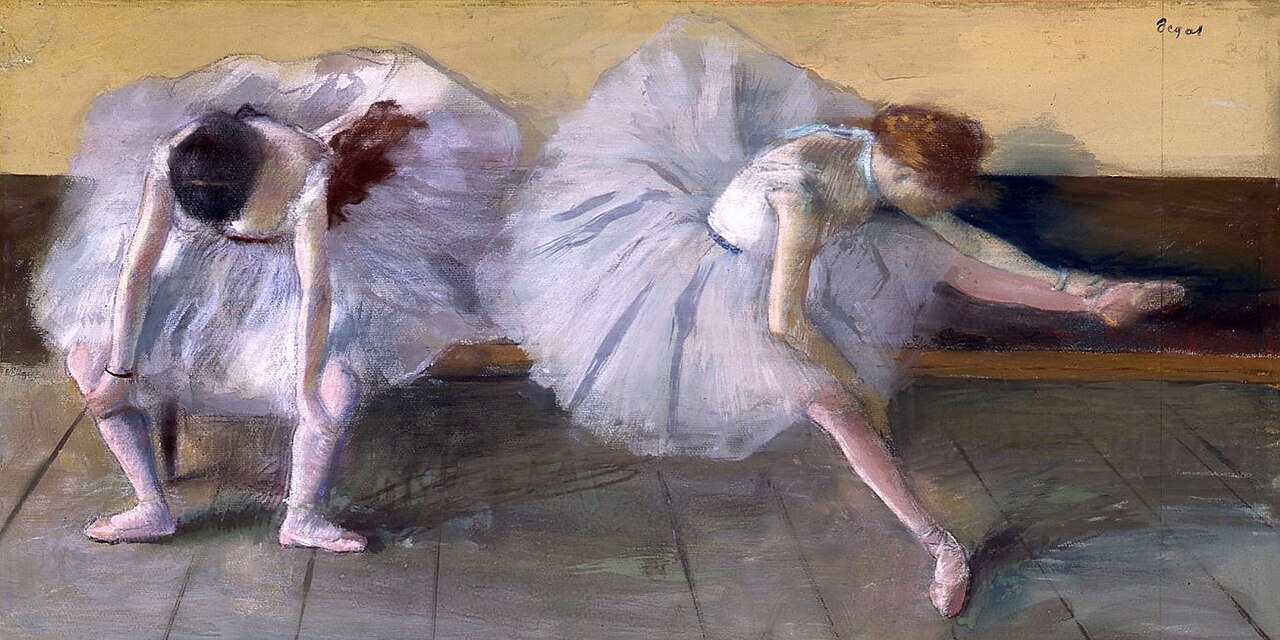
Edgar Degas (1834–1917). Painter, sculptor and printmaker, and a master of movement. More than half his work shows dancers; he also painted horse races, cafés and women at their toilette. He is counted among the founders of Impressionism, though he disliked the word and called himself a realist. The Musée d’Orsay has a large collection of his work.
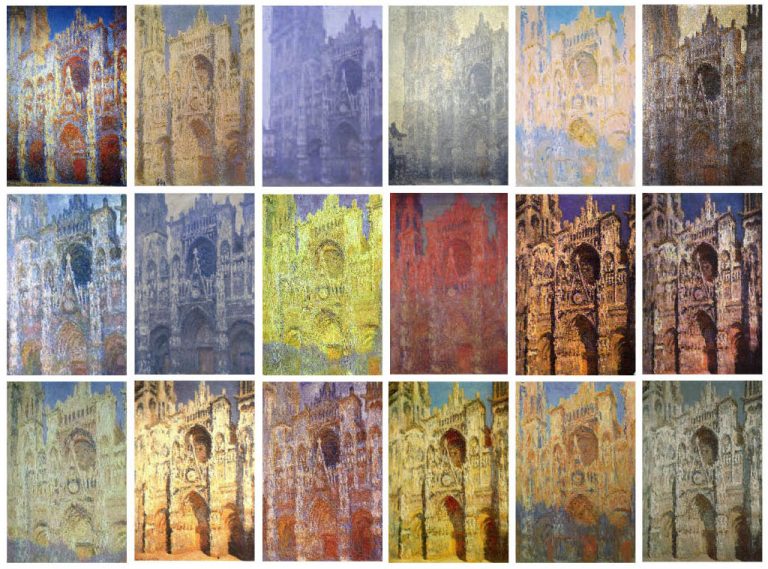
Claude Monet (1840–1926). The founder of Impressionism. The movement took its name from his Impression, Sunrise, a view of the port of Le Havre shown in 1874, now in the Musée Marmottan in Paris. Monet painted the same subject again and again to catch the changing light and seasons: the haystacks, the poplars, Rouen cathedral and, in his last thirty years, the water lilies in his garden at Giverny. He also painted the cliffs of Étretat many times. In Paris, his great water-lily panels fill two oval rooms in the Musée de l’Orangerie.
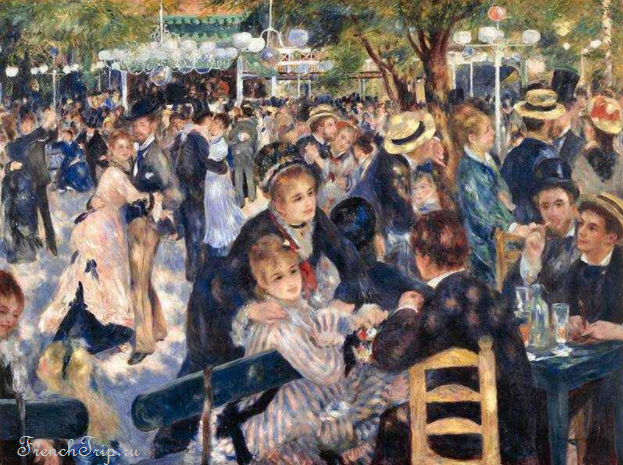
Pierre-Auguste Renoir (1841–1919). A leading Impressionist and a painter of pleasure: dances, boating parties, women and children in bright light and warm colour. His figures melt softly into their surroundings. Bal du moulin de la Galette, painted in Montmartre, is in the Musée d’Orsay. Renoir spent his summers in Essoyes in Champagne, his wife’s village, and his last years at Les Collettes in Cagnes-sur-Mer on the Riviera. Both houses are now museums.
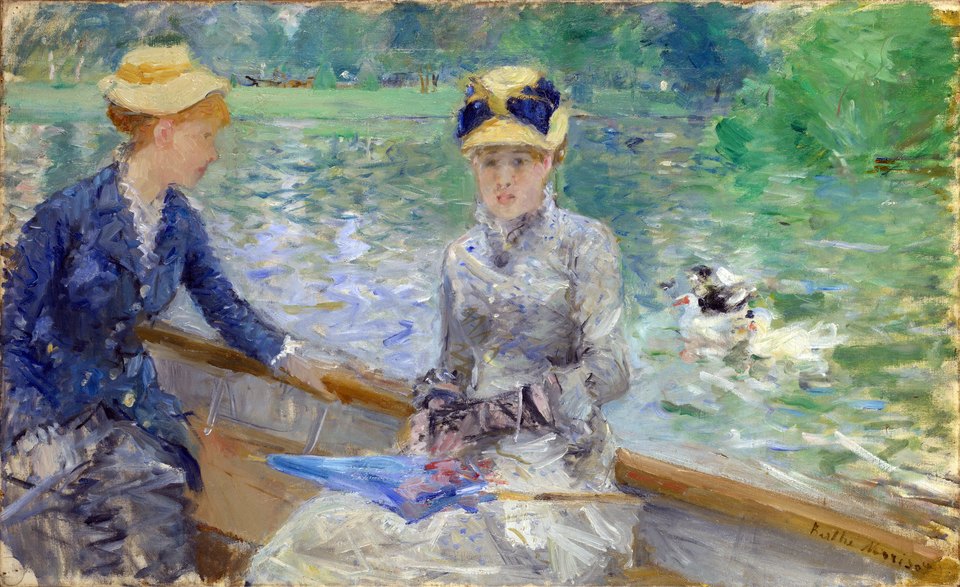
Berthe Morisot (1841–1895). She exhibited at the official Salon from 1864, then, in 1874, joined the rejected Impressionists at their first exhibition, alongside Monet, Degas, Renoir, Pissarro, Cézanne and Sisley. She painted domestic life, women and children, gardens and the sea, with a light, rapid touch. The Musée Marmottan in Paris has the largest collection of her work.
Gustave Caillebotte (1848–1894). A painter and the patron of his friends. Born into a rich Parisian family, he could paint without needing to sell. He also financed Impressionist exhibitions, bought his friends’ paintings and paid the rent on Monet’s studio. His bequest of Impressionist pictures to the state is an important part of what is now the Musée d’Orsay collection. His family’s estate at Yerres, south-east of Paris, is open to visitors.
Post-Impressionism and the turn of the century
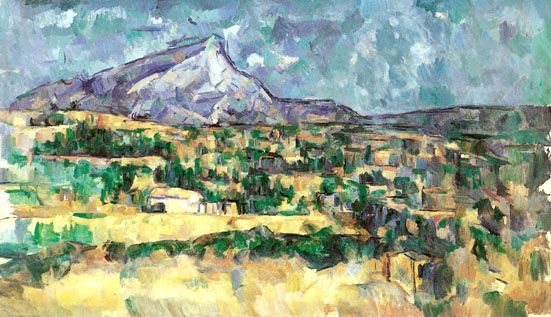
Paul Cézanne (1839–1906). The painter who led from Impressionism to the Cubism of the 20th century. He built his pictures from small, patient, repeated brushstrokes and planes of colour. Both Matisse and Picasso called him “the father of us all”. He painted the mountain of Sainte-Victoire above his home town, Aix-en-Provence, dozens of times. His last studio, the Atelier des Lauves, is open to visitors, and there is a walking route through the town in his footsteps.
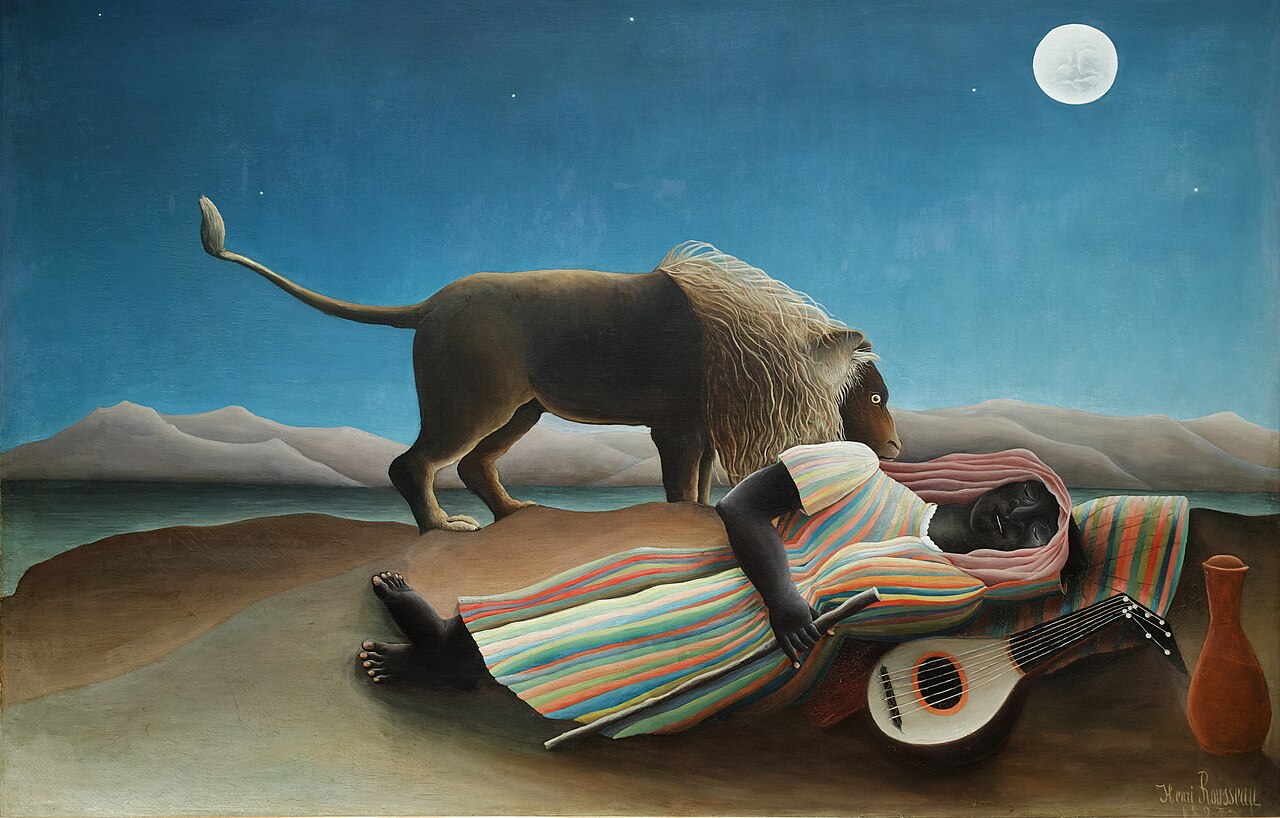
Henri Rousseau (1844–1910). Self-taught, and known as “le Douanier” because he worked as a toll and customs collector in Paris. He took up painting seriously in his forties and retired at 49 to paint full time. His pictures have no strict proportions or perspective and use bright, unnatural colours, and they have a strange, dreamlike quality. The critics laughed at him all his life; the avant-garde that came after him admired him greatly.
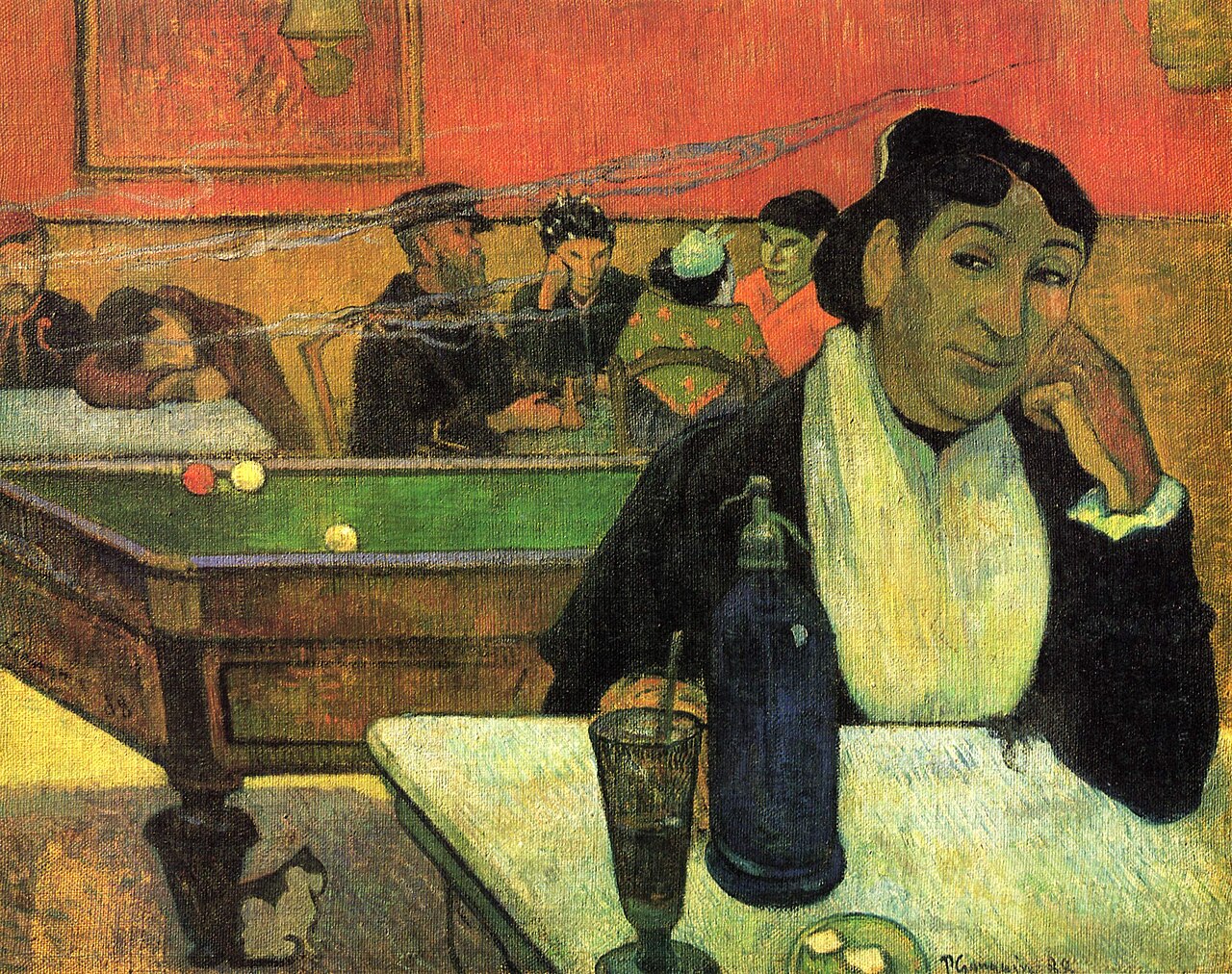
Paul Gauguin (1848–1903). A Post-Impressionist who was only appreciated after his death. He worked with flat areas of strong, non-natural colour, a style quite unlike Impressionism. In the 1880s he painted in Pont-Aven in Brittany, then spent a stormy autumn with Van Gogh in Arles in 1888, and the last ten years of his life in French Polynesia. He was also a sculptor, printmaker and ceramicist, and he influenced Picasso and Matisse.
Jean Béraud (1849–1935). The painter of everyday Paris in the Belle Époque: the Champs-Élysées, the cafés, the boulevards, Montmartre and the banks of the Seine, in precise, lively detail. The Musée Carnavalet, the museum of the history of Paris, has many of his pictures.
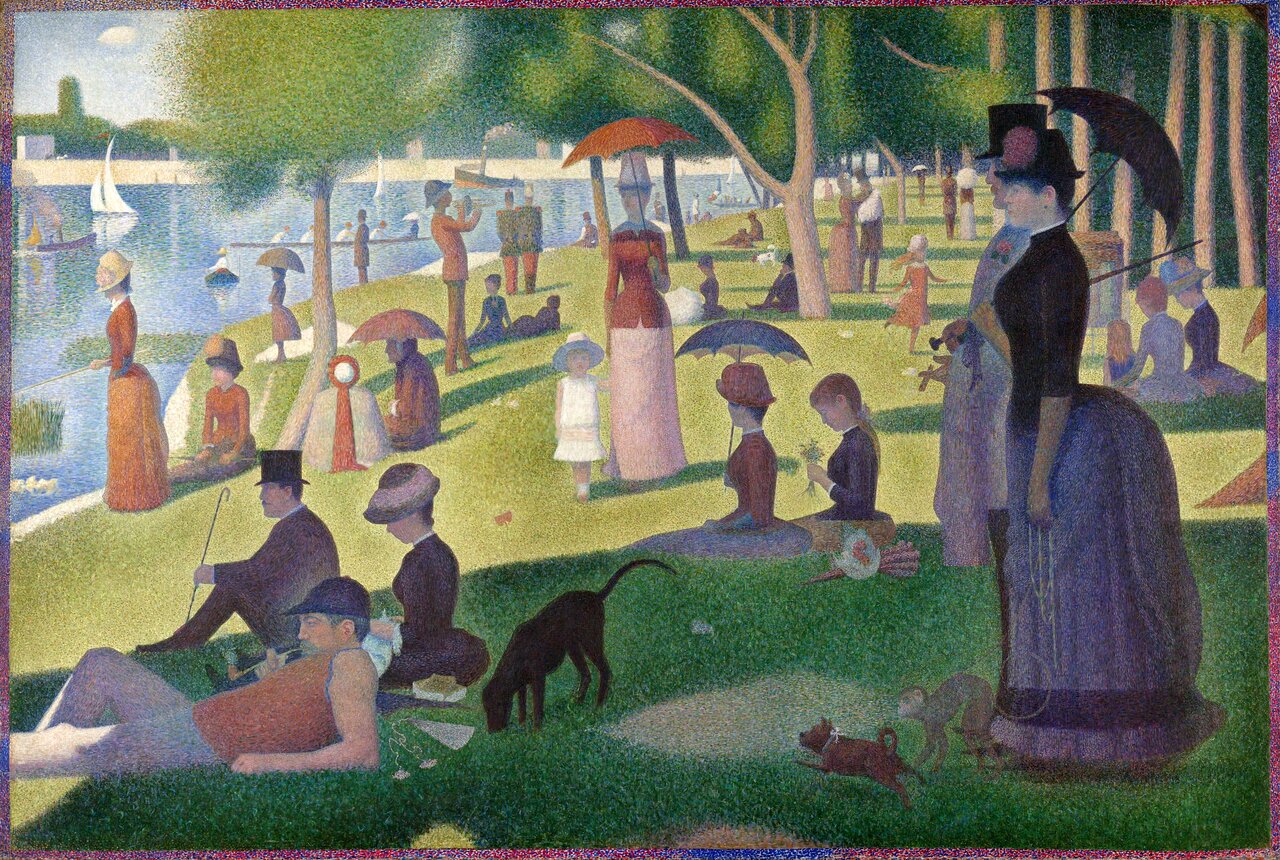
Georges Seurat (1859–1891). The inventor of pointillism: instead of mixing colours on the palette, he set small dots of pure colour side by side and let the viewer’s eye mix them. His method was almost scientific, and he died at 31. His masterpiece, A Sunday on La Grande Jatte, shows Parisians on an island in the Seine; it is now in Chicago.
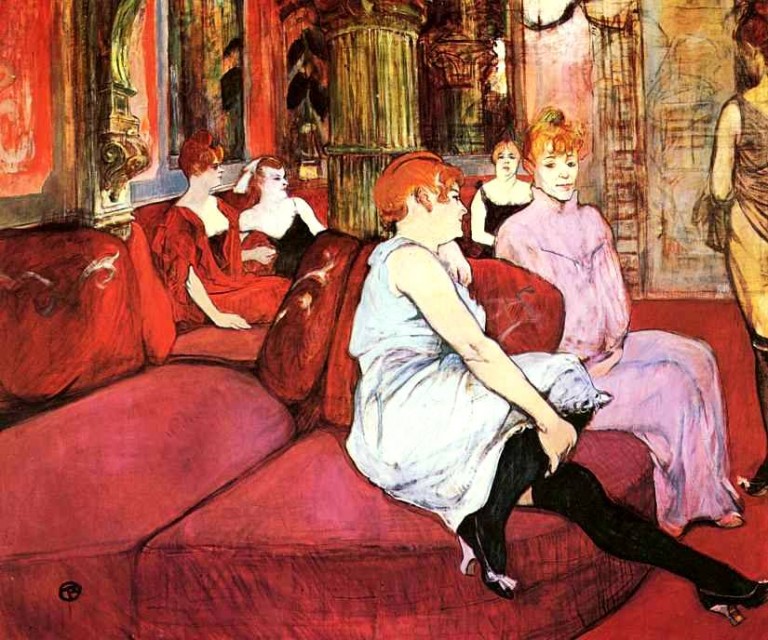
Henri de Toulouse-Lautrec (1864–1901). Painter, printmaker and poster artist of the theatrical, colourful and decadent nightlife of late 19th-century Paris: the Moulin Rouge, the cabarets of Montmartre, the dancers and the brothels. His posters changed advertising for good. The largest collection of his work is in the museum of his home town, Albi, in the south-west, in the old bishops’ palace beside the cathedral.
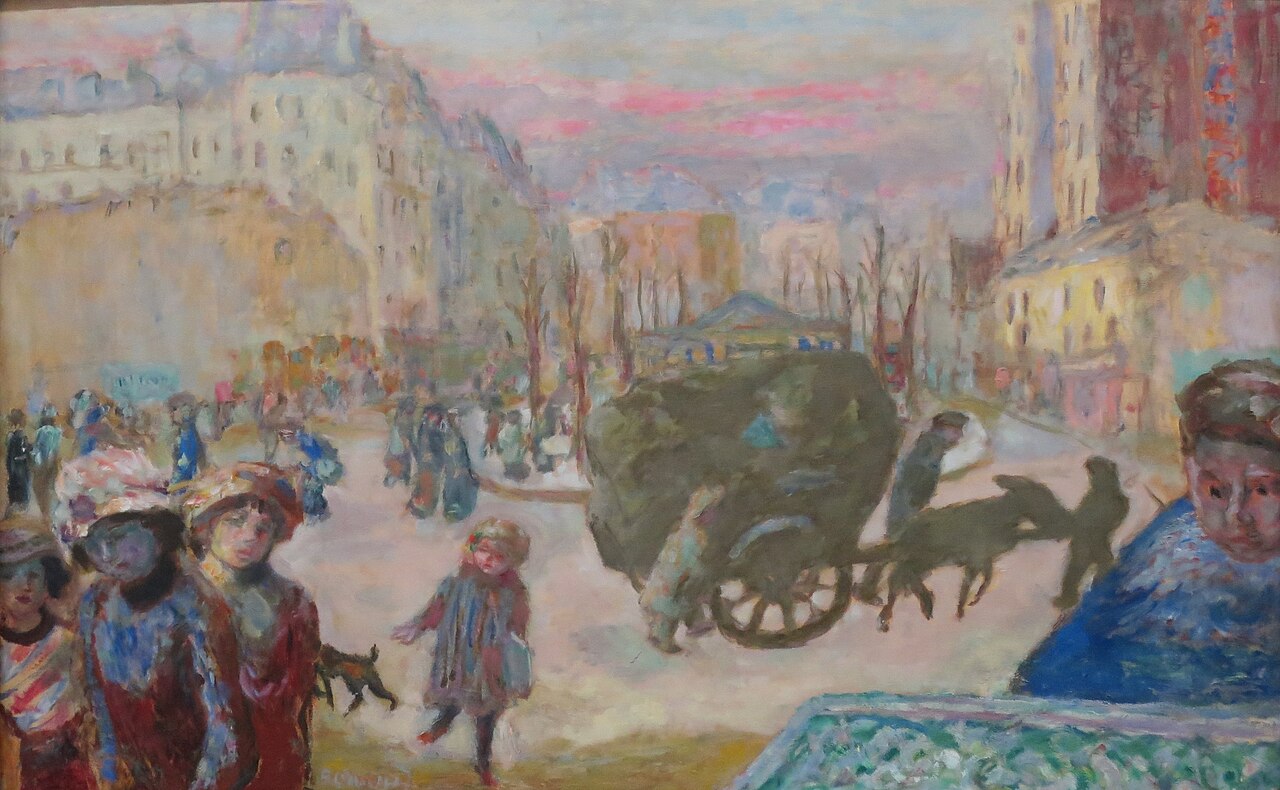
Pierre Bonnard (1867–1947). Painter and printmaker, and one of the founders of the Nabis, a group of young painters strongly influenced by Gauguin and by Japanese prints. He painted interiors, gardens and the women of his household in glowing colour. He spent his last years at Le Cannet, above Cannes, where there is now a museum of his work.
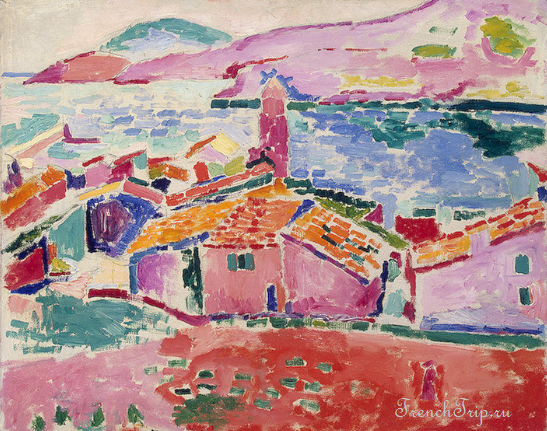
Henri Matisse (1869–1954). With Picasso, the painter who did most to define the revolution in art in the first decades of the 20th century. The violent colours of the pictures he painted at Collioure, on the Mediterranean near the Spanish border, in the summer of 1905 earned him and his friends the name Fauves, the “wild beasts”. From 1917 he lived in and around Nice. When illness kept him from painting in his last years, he made his famous paper cut-outs. In Nice, the Musée Matisse in Cimiez holds his work; at Vence he designed the whole of the Chapelle du Rosaire, from the stained glass to the priests’ robes.
Painters from abroad who worked in France
Paris and the light of the south drew painters from all over the world. Some of the most famous “French” paintings were made by artists who were not French at all.
Leonardo da Vinci (1452–1519). The Italian genius was invited to France by King Francis I and spent his last three years at the manor of Clos Lucé in Amboise, in the Loire Valley, which is now a museum of his inventions. He is buried in the chapel of the Château d’Amboise. He brought the Mona Lisa with him, which is why it is in the Louvre.
Alfred Sisley (1839–1899). Born in Paris to English parents, and a British citizen all his life, he was the most consistent of the Impressionists in painting landscapes outdoors. He painted the Seine and its bridges in the old villages west of Paris, and spent his last years in Moret-sur-Loing, on the edge of the Fontainebleau forest, which he painted again and again.
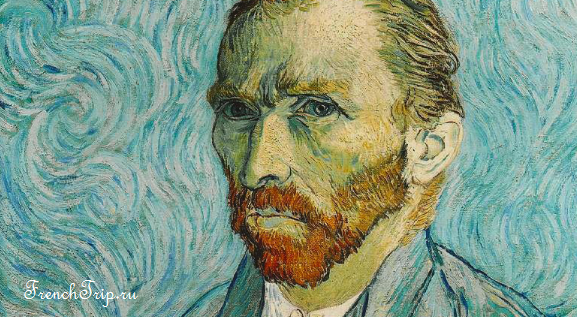
Vincent van Gogh (1853–1890). A Dutchman who did almost all his famous work in France, in only four years. He made about 860 oil paintings, most of them in the last two years of his life, and sold very little while he lived. He lived in Paris in 1886–88, then in Arles, where he painted the sunflowers and the night café, and from 1889 in the asylum at Saint-Rémy-de-Provence, where he painted The Starry Night. He died in 1890 at Auvers-sur-Oise, north of Paris, of a gunshot wound, generally believed to be self-inflicted. He is buried there beside his brother Theo. Both Arles and Saint-Rémy have walking routes past the places he painted.
Pablo Picasso (1881–1973). A Spanish painter, sculptor, printmaker and ceramicist who spent most of his adult life in France. He was a co-founder of Cubism, with Les Demoiselles d’Avignon (1907), co-inventor of collage, and the most famous artist of the 20th century. In France you can follow him to the Musée Picasso in Paris; to Céret in the Pyrenees, where he worked before the First World War; to the Château Grimaldi in Antibes, where he worked in 1946; to Vallauris, where he made ceramics; and to Mougins, where he died.
Marc Chagall (1887–1985). Born into a Jewish family near Vitebsk, in what is now Belarus, he became one of the great early modernists in Paris. He worked in almost every medium: painting, book illustration, stained glass, stage sets, ceramics and tapestry. He made windows for the cathedrals of Reims and Metz and painted the ceiling of the Paris Opéra (1964). The Musée national Marc Chagall in Nice holds his great Biblical cycle. He spent his last years in Saint-Paul-de-Vence and is buried in its cemetery.
Zinaida Serebriakova (1884–1967). A Russian painter from the artistic Benois–Lanceray family, and one of the first Russian women to be recognised as a major artist. After the Revolution she was left a widow with four children, and in 1924 she went to Paris to earn money. She was never able to return. She saw two of her children again only 36 years later. She travelled every year in France, to the Riviera, the Pyrenees and, often, Brittany, and her studies from Morocco are an important contribution to Orientalist art. She is buried in the Russian cemetery at Sainte-Geneviève-des-Bois, south of Paris.
Where to see them
- Paris: the Louvre for the old masters, from La Tour and Poussin to David, Ingres and Delacroix; the Musée d’Orsay for the Impressionists and Post-Impressionists; the Orangerie for Monet’s water lilies; the Marmottan for Monet and Morisot; the Musée Picasso; and the Delacroix museum. For the districts where the painters lived, especially Montmartre, see our guide to the arrondissements of Paris.
- Normandy: Monet’s house and garden at Giverny; Honfleur, Le Havre, Rouen and Étretat for Boudin and Monet. See our Normandy guide.
- Provence and the Riviera: Cézanne in Aix, Van Gogh in Arles and Saint-Rémy, Renoir in Cagnes-sur-Mer, Matisse and Chagall in Nice, Matisse’s chapel in Vence, Picasso in Antibes, Bonnard at Le Cannet.
- Elsewhere: Toulouse-Lautrec in Albi, Ingres in Montauban, Gauguin in Pont-Aven, Leonardo in Amboise, Georges de La Tour at Vic-sur-Seille.
All the paintings reproduced on this page are in the public domain. Works by Picasso, Chagall and Serebriakova are still under copyright and are not reproduced here.
Updated: