Arrondissements of Paris
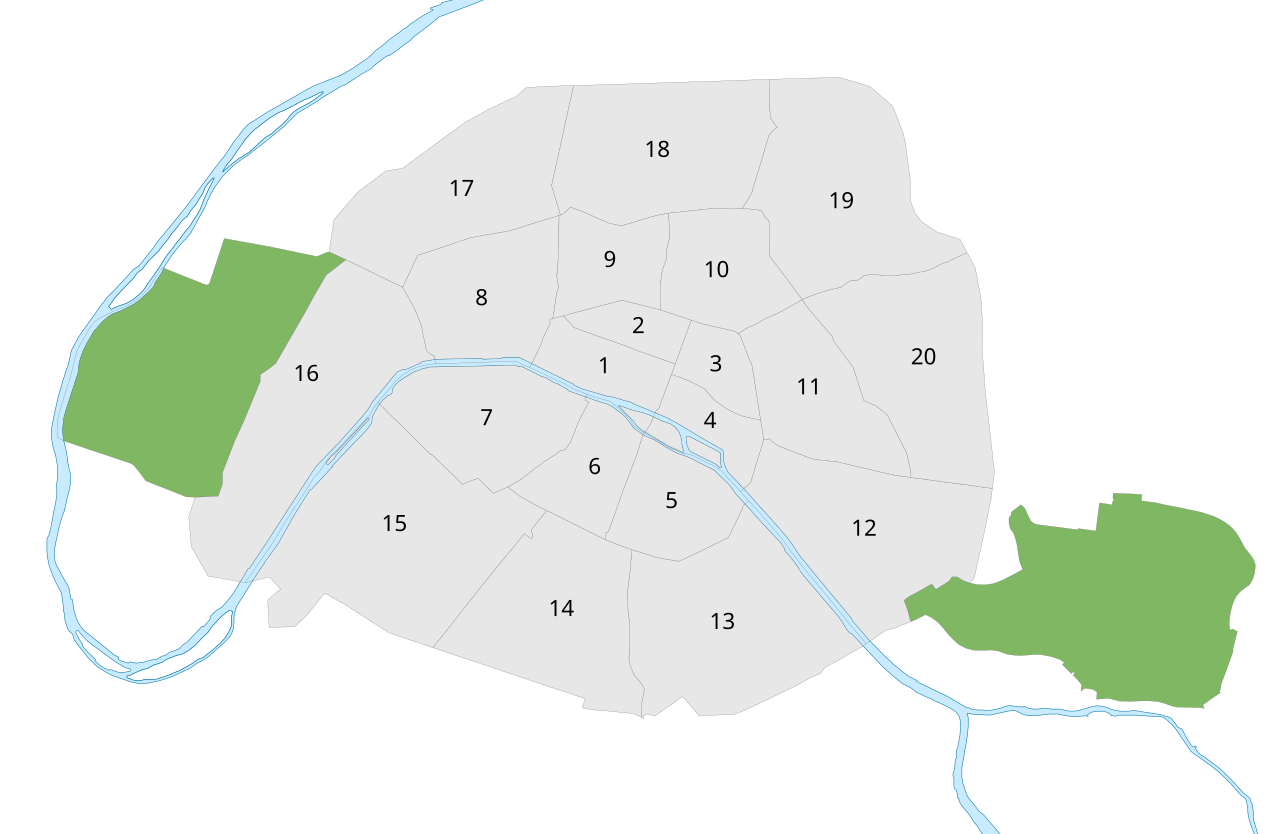
Paris is divided into 20 arrondissements (districts), and almost everything in the city is described by one: the postcode, the address, the Metro station, the hotel listing. Once you know how they are numbered, you can place any address on a map in your head, and you can judge a hotel quickly. This page walks through all twenty and ends with advice on where to stay. For the city as a whole, start with our Paris guide.
How the numbering works
- The 1st arrondissement is in the middle, around the Louvre. The numbers then spiral outwards clockwise, like a snail shell, and end with the 20th in the north-east. The lower the number, the closer to the centre, with a few exceptions.
- Postcodes are 75001 to 75020: the last two digits are the arrondissement. “75007” is the 7th.
- The Seine splits the city. The Right Bank (north of the river) has the 1st–4th and the 8th–12th, plus the 16th–20th. The Left Bank (south) has the 5th, 6th, 7th, 13th, 14th and 15th.
- In French they are said as “the premier”, “the deuxième”, and so on, with “arrondissement” often left out.
The centre: 1st to 4th
1st. The Louvre, the Tuileries Garden, the Palais-Royal and Les Halles. It is the most central district, with many hotels and some of the highest prices. Rue de Rivoli runs through it; Place Vendôme has the jewellers.
2nd. The smallest arrondissement, between the Louvre and the Opéra. It has the old stock exchange and a network of 19th-century covered shopping arcades (passages) that are worth a detour.
3rd. The upper Marais: small museums (Picasso, Carnavalet), designer shops and a lot of restaurants. Central, lively and not cheap.
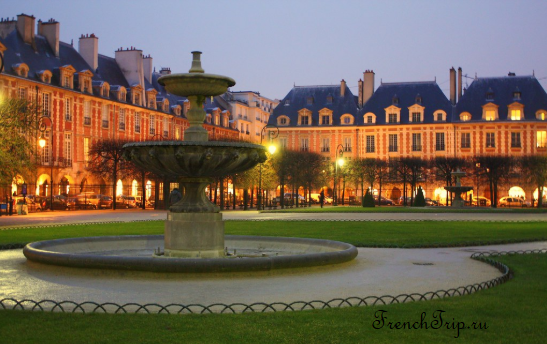
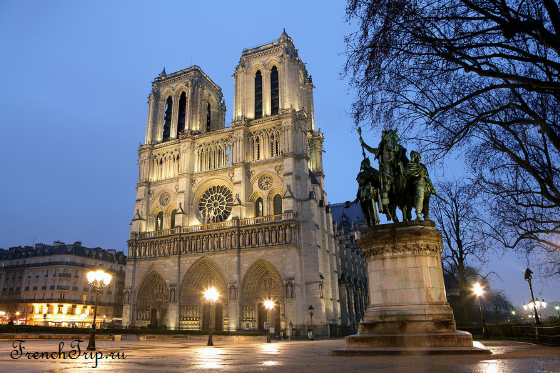
4th. The oldest part of the city. It holds the Île de la Cité with Notre-Dame, the Île Saint-Louis, the Hôtel de Ville and most of the Marais, including Place des Vosges. For a first visit it is one of the best districts to stay in, and one of the most expensive.
The Left Bank: 5th, 6th and 7th
5th. The Latin Quarter: the Sorbonne, the Panthéon, the Cluny museum and the Jardin des Plantes, and a lot of cheap restaurants for students. Old, central and lively, especially around Rue Mouffetard.
6th. Named for the Luxembourg Palace and its garden. It also has Saint-Germain-des-Prés, Saint-Sulpice and some of the best bookshops and cafés in the city. Expensive and elegant.
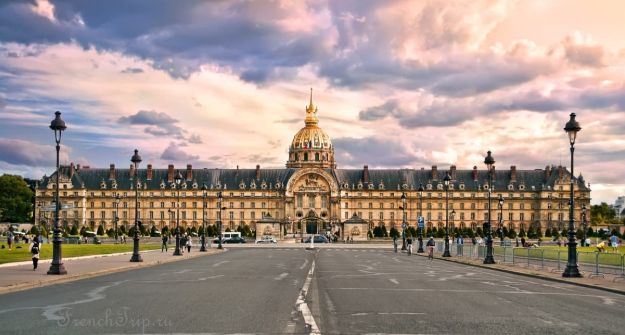
7th. The Eiffel Tower, the Champ de Mars, Les Invalides, the Musée d’Orsay and the Rodin Museum, together with many ministries and embassies. It is quiet in the evening and very expensive.
The Right Bank to the west and north: 8th, 9th, 16th, 17th
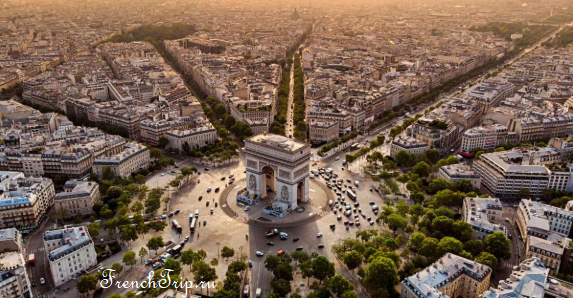
8th. The Champs-Élysées, the Arc de Triomphe, the Madeleine, Place de la Concorde and the Grand Palais, with Gare Saint-Lazare on its northern edge. Smart hotels and luxury shops, and busy by day.
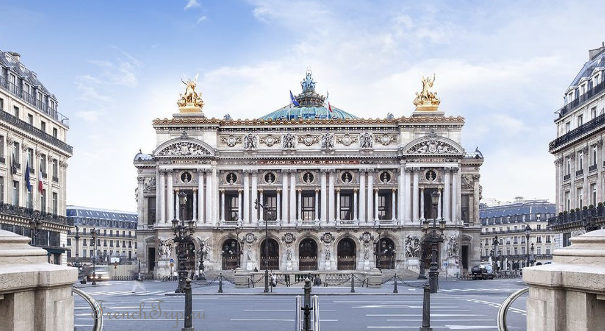
9th. The Opéra Garnier and the big department stores on Boulevard Haussmann, Galeries Lafayette and Printemps. Cheaper than the central districts, well connected, and a sensible place to stay. The southern fringe of Montmartre, around Pigalle, is on its northern edge.
16th. The wealthy west of the city: Trocadéro and its view of the Eiffel Tower, the Bois de Boulogne, the Roland-Garros stadium, the Palais de Chaillot and a number of small museums. Residential and quiet, with fewer restaurants and nightlife and higher hotel prices.
17th. A large residential district in the north-west. The Batignolles neighbourhood has a village feel with good food markets, and it is a calm base at moderate prices, though there is little in the way of sights.
The Right Bank to the east: 10th, 11th, 12th, 19th, 20th
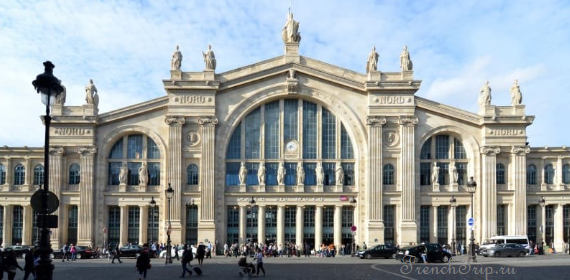
10th. Home to Gare du Nord and Gare de l’Est, so many travellers arrive here: trains from London, Brussels and the airport (Charles de Gaulle) stop at Gare du Nord. The streets around the stations are crowded, with pickpockets and touts, and are no place to linger with luggage. The Canal Saint-Martin, a few minutes away, is a much pleasanter part of the district.
11th. Bastille, Oberkampf and Rue de Charonne: bars, small restaurants and nightlife. Good value for hotels, a young crowd, and noisy at night.
12th. The south-east, with the Bois de Vincennes, Bercy and Gare de Lyon, the station for trains to the south of France. Quiet and residential, with moderate prices.
19th. The Parc de la Villette, with the Cité des Sciences, and the Parc des Buttes-Chaumont, one of the city’s best parks. It is a long way from the centre and has few hotels.
20th. Père Lachaise cemetery, where Jim Morrison, Oscar Wilde, Édith Piaf and Chopin are buried, and the hilly Belleville and Ménilmontant. Inexpensive and local, and further out.
The Left Bank to the south: 13th, 14th, 15th
13th. Paris’s main Chinatown, around Avenue d’Ivry and Avenue de Choisy, with some of the best Vietnamese and Chinese food in the city, and the Butte-aux-Cailles, a village-like corner with narrow streets. Much of the district is modern housing blocks. Prices are low, the neighbourhood is calm, and it is well served by Metro.
14th. Montparnasse, famous in the 1910s and 1920s for its painters and writers. The Catacombs are here, and Gare Montparnasse, for trains to Brittany and the west. A respectable residential area, with moderate prices for its distance from the centre.
15th. The most populous arrondissement, and mostly residential. The Montparnasse Tower, the Parc André-Citroën and the Seine-side promenades are here, along with the Île aux Cygnes, which has a small replica of the Statue of Liberty. Good value, quiet, and a sensible choice for families.
The north: 18th
18th. Montmartre: the hill with the Sacré-Cœur, the vineyards, the painters’ squares and the small cafés. At its foot is Pigalle, with the Moulin Rouge and a district of night clubs and sex shops. The hilltop is a village with lots of tourists; the streets round Barbès and the area at the foot of the hill are busy and have a rougher edge. Hotels here can be cheap and are often old buildings with thin walls, so ask for a room on the courtyard side.
Where to stay
- First visit, and you want to walk everywhere: the 1st to 7th, or the 8th and 9th. Pay more, save on Metro and time.
- Good value and a short Metro ride: the 9th, 11th, 14th, 15th and 17th.
- Families, and a quiet base: the 5th, 6th, 7th and 15th.
- Nightlife: the 11th around Oberkampf and the Canal Saint-Martin in the 10th. Expect noise.
- Cheapest rooms: the outer districts, 13th, 18th, 19th and 20th, and the streets near the big stations. Choose a hotel on a quiet side street, read recent reviews, and check how it feels at night.
- Arriving by train: Gare du Nord and Gare de l’Est (10th), Gare Saint-Lazare (8th), Gare de Lyon and Bercy (12th), Gare d’Austerlitz (13th), Gare Montparnasse (14th–15th). See high-speed TGV trains in France for the main routes.
Safety in practice
Paris is a safe city for visitors in general. The usual problem is pickpocketing in crowded places: the Metro, the Eiffel Tower, the Louvre, Sacré-Cœur and the big stations. Keep your phone and wallet in front pockets or a zipped bag. Streets around the main stations, Pigalle and Barbès are busy at night, so it is best not to wander with luggage and to use a taxi or a main road late in the evening.
If you have a spare day, Versailles and Provins are the nearest day trips.
Photo credits
The map of the arrondissements is by Paris 16, CC BY-SA 4.0, via Wikimedia Commons.

Updated: