Cuisine of Nouvelle-Aquitaine
Nouvelle-Aquitaine gave France several of the dishes the rest of the world now takes for French: truffles, foie gras, duck magret and confit, and the wines of Bordeaux. Add piperade, Arcachon oysters and béarnaise sauce and you have the short version of the region on a plate.
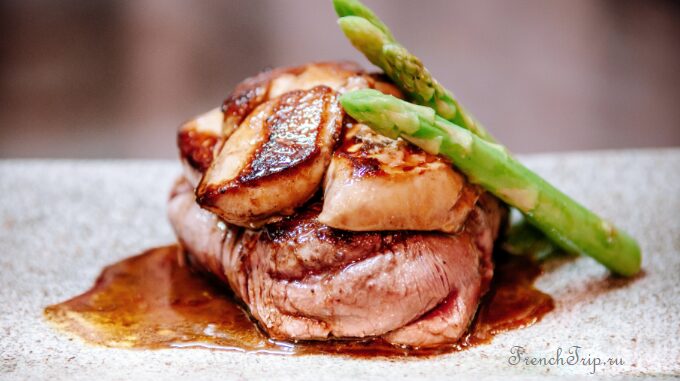
The region
Historic Aquitaine covers five departments: Dordogne (24), Gironde (33), Landes (40), Lot-et-Garonne (47) and Pyrénées-Atlantiques (64). It is the third largest region in France, held between the Pyrenees, the Massif Central and the Atlantic — and it cooks as three distinct places: the Basque country, the Périgord and Bordeaux.
The Basque country: pepper, pepper, pepper
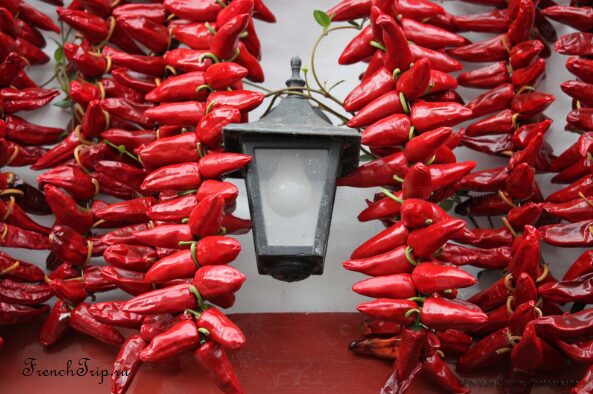
Basque cooking is full of fish and shellfish, and much of it comes to the table red, as though rubbed with pepper — which, in effect, it has been. Piment d’Espelette is everywhere: in the pepper sauce, and above all in piperade, cooked down with tomatoes and onions.
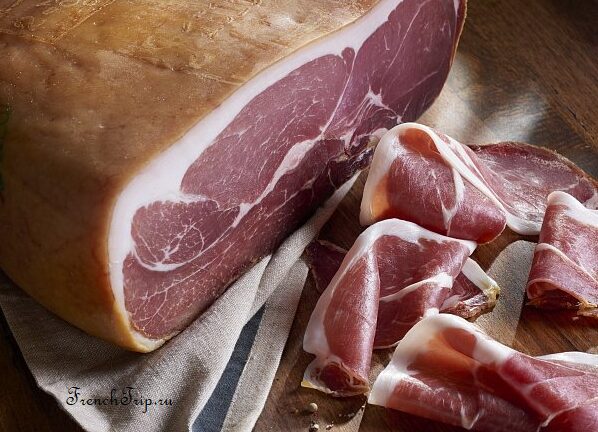
Jambon de Bayonne turns up in everything, all year round. Poulet basquaise is fried chicken served in a sauce of tomatoes, onions and peppers simmered slowly with a glass of white wine. In the mountains the hunters go after migrating wood pigeon, which is at its best wrapped in a thin slice of bacon and roasted; from the ocean come tuna, sardines and chipirons, the small squid.
The cheeses are sheep’s milk, hard and soft, though the soft ones are only made in summer. And Bayonne is a chocolate town — try the cinnamon-flavoured chocolates, or the génoise-style béret basque cake.
The Périgord: fat, and the right balance
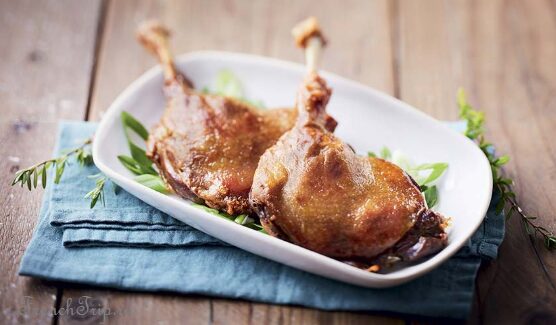
Périgord cooking takes everything from the woods and the farmyard: cèpes and truffles, walnuts and chestnuts, geese and ducks. Contrary to its reputation abroad, this is a poor farming country, and the cooking reflects it — stuffed dishes, clever use of trimmings, preserves in jars, and confit, meat cooked and kept in its own fat. What came out of that thrift is one of the best regional kitchens in France.
The fat itself does the seasoning. It fixes the flavour of whatever is potted in it, and it replaces butter in the pan: pommes sarladaises, potatoes fried in duck fat, are the proof. Alongside them: truffle omelette, fried foie gras, magret de canard, rillettes d’oie, truffle salad, river fish and farm chicken with mushrooms.
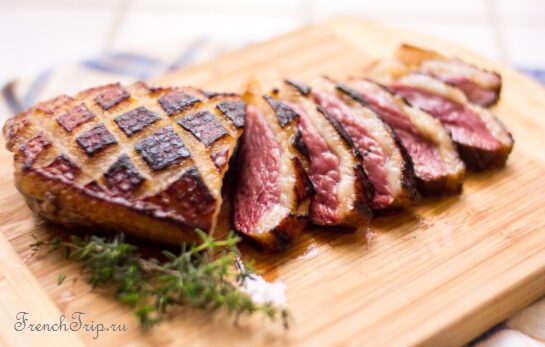
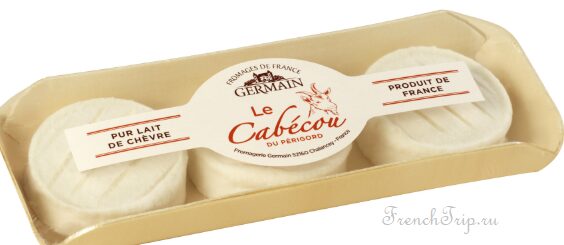
In winter, go to a marché au gras — the «fat market» — at Périgueux or Sarlat, where whole livers, confits and foie gras are sold across a table. In the Périgord Noir, pork and pork specialities are on every menu year round; in the Périgord Vert to the north they keep goats and make cabécou, a small, strong goat cheese.
Drink a glass of sweet white Monbazillac with the foie gras and the region makes its case.
Bordeaux and the coast
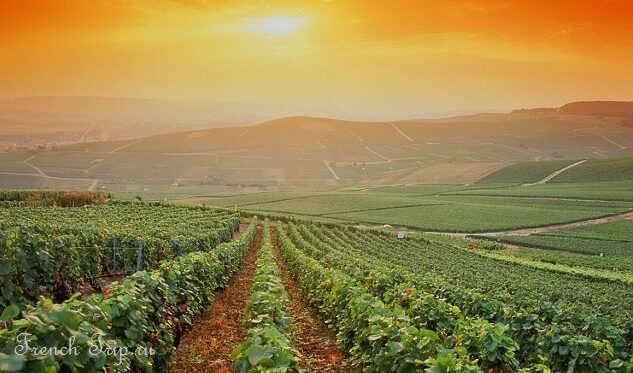
Bordeaux cooks in a southern, almost Spanish register: grilled meat over vine cuttings, garlic, shallots, and the wine itself in the sauce. The oysters of Arcachon come from the bay under the dune of Pilat and are eaten with a small grilled sausage — a local pairing that sounds wrong and works. See French oysters, French mussels and Arcachon.
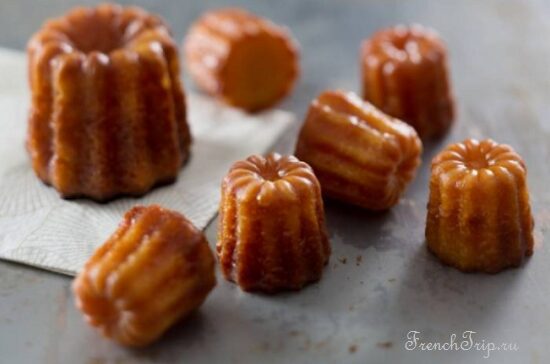
For dessert, canelés bordelais — small fluted cakes with a dark caramelised crust and a soft vanilla centre. The Lot-et-Garonne adds the prunes of Agen, and the whole region fries beignets.
What to drink
Bordeaux, at every price: the reds of the Médoc and Saint-Émilion, the dry whites of the Graves, the sweet Sauternes and Monbazillac that go with foie gras. In the Basque country, Irouléguy; in the Landes, Armagnac country begins just to the east.
See also French foie gras, duck in French cuisine, the neighbouring cuisine of Occitanie, the region itself at Nouvelle-Aquitaine, and French cuisine for the rest of the country.
Updated: