French croissants
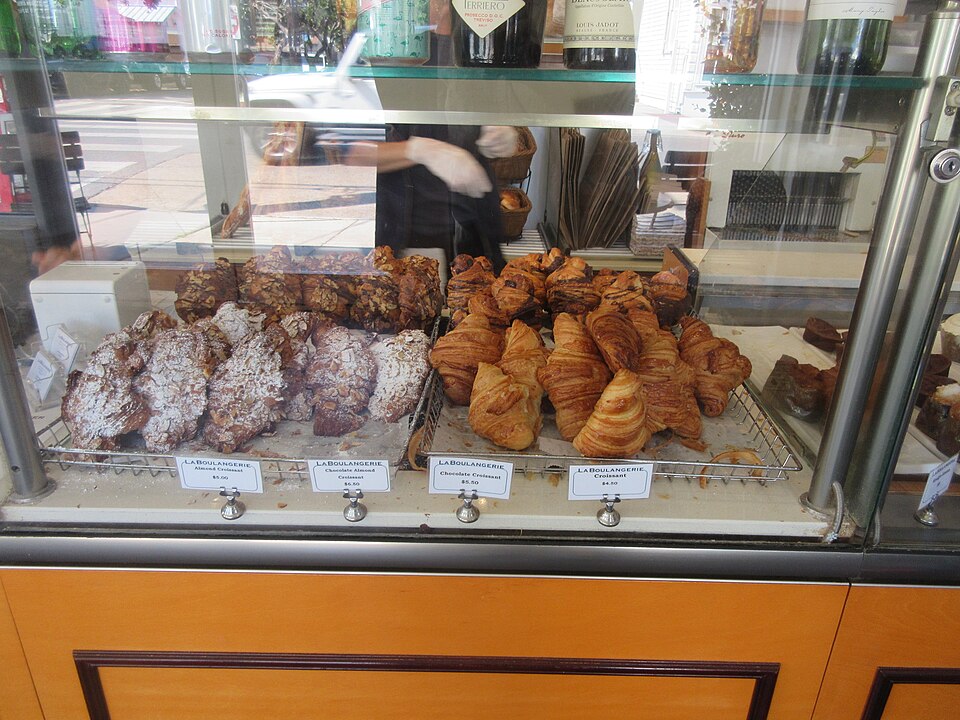
French croissants are iconic pastries known and loved worldwide. Here’s why they are so popular, the traditions associated with them, and some regional specialties:
Why French Croissants Are Popular:
- Delicate and Flaky Texture: French croissants are famous for their delicate, flaky, and buttery texture. The layers of dough are created through a process called lamination, which involves folding butter into the dough multiple times.
- Buttery Flavor: The generous use of high-quality butter is a hallmark of French croissants, imparting a rich and luxurious flavor.
- Versatility: Croissants are incredibly versatile. They can be enjoyed plain, with butter and jam, filled with chocolate, almonds, or ham and cheese, or used in sandwiches.
- Cultural Icon: Croissants have become a symbol of French culture, often associated with leisurely breakfasts in Parisian cafés and boulangeries.
Traditions Associated with Croissants:
- Morning Ritual: In France, it’s common to start the day with a croissant and a café au lait (coffee with milk). This morning ritual is cherished by many.
- Boulangeries: Croissants are typically purchased fresh from a local boulangerie (bakery). Many boulangeries take pride in baking croissants daily, and locals often have their favorite spots.
Regional Specialties:
- Pain au Chocolat: While not strictly a croissant, the pain au chocolat is similar in shape and made from croissant dough. It’s filled with sticks of chocolate and is a beloved breakfast treat in France.
- Croissant aux Amandes: This regional specialty, often associated with the South of France, features an almond filling and sliced almonds on top.
- Croissant aux Escargots: In some regions, you can find croissants filled with escargot-shaped pastries made from sweet or savory ingredients, such as almond paste or pesto.
- Kouign-Amann: Though originally from Brittany, Kouign-Amann is a buttery pastry cousin of the croissant, featuring layers of dough and sugar that caramelize during baking.
Differences from Croissants in Other Countries:
French croissants are distinguished by their emphasis on quality ingredients, meticulous preparation, and tradition. Here are some differences:
- Quality of Ingredients: French croissants often use high-quality butter with a high fat content, contributing to their rich taste and flakiness.
- Process: The lamination process used in making French croissants involves folding the dough with layers of butter, creating a distinct texture and flavor.
- Authenticity: In France, there are strict regulations governing what can be called a croissant, ensuring that traditional methods are followed.
While croissants are enjoyed worldwide, the French have mastered the art of making them to perfection. Their cultural significance and commitment to quality make French croissants a unique and beloved pastry.
Photo: Infrogmation, CC BY-SA 4.0, via Wikimedia Commons

Updated: