Transportation in Provence
Getting around Provence divides cleanly in two, and almost every planning mistake comes from ignoring the split.
The coast has excellent trains. The interior has almost no public transport at all.
The rule
- Coast and cities — no car needed. The railway from Marseille through Toulon, Cannes, Antibes and Nice to Menton is frequent, cheap and often faster than driving. Aix, Avignon, Arles and Nîmes are all on the network. A car here is a liability: you will pay to park it and sit in traffic.
- Interior — a car is close to essential. The Luberon villages, the Alpilles, the lavender plateaux, the Verdon and the wine roads have one or two buses a day, timed for schoolchildren, with nothing at weekends. You can usually get out to a village; you frequently cannot get back the same day.
The practical answer for most trips: arrive by train, hire a car for the days you go inland, and give it back.
Trains
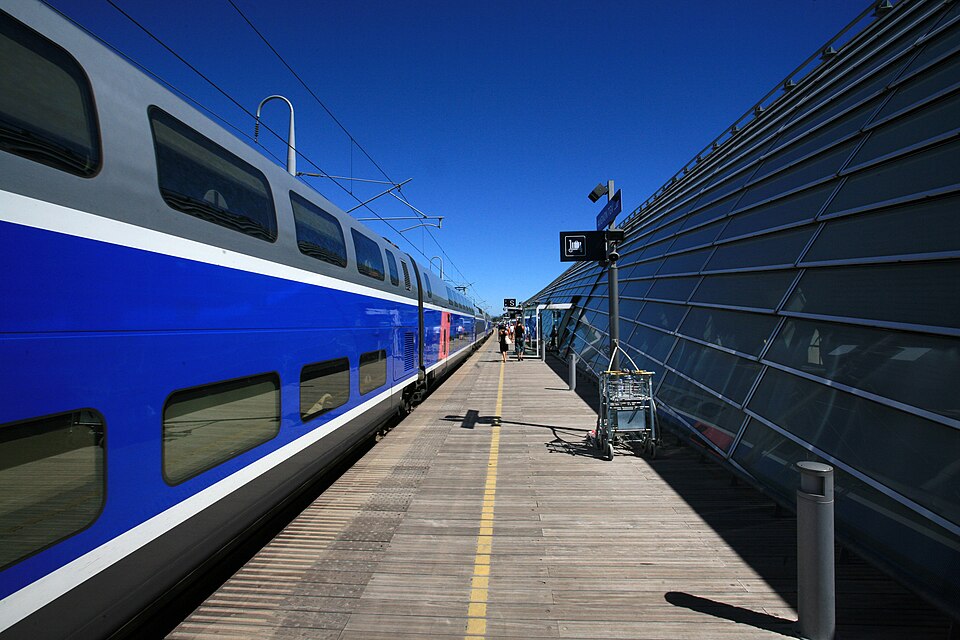
TGV from Paris reaches Avignon in 2 h 40, Marseille in about 3 hours and Nice in around 6. Within the region, TER regional trains need no reservation and run at flat fares.
Watch which station. Several cities have a central station and a TGV station out in the fields:
- Avignon — Avignon Centre (in town) and Avignon TGV (4 km, shuttle train)
- Aix-en-Provence — Aix Centre (regional line only) and Aix TGV (15 km, bus)
- Nîmes — Nîmes Centre and Nîmes Pont-du-Gard (10 km)
See trains in Provence for the routes in detail.
Buses
Regional buses are run by the Zou! network at a low flat fare, and they are the only public transport into much of the interior. They are also infrequent.
The one rule that matters: check the return journey before you set out. A village with three buses a day may have its last departure at 17:00, or none at all on Sunday.
See buses in Provence.
Driving
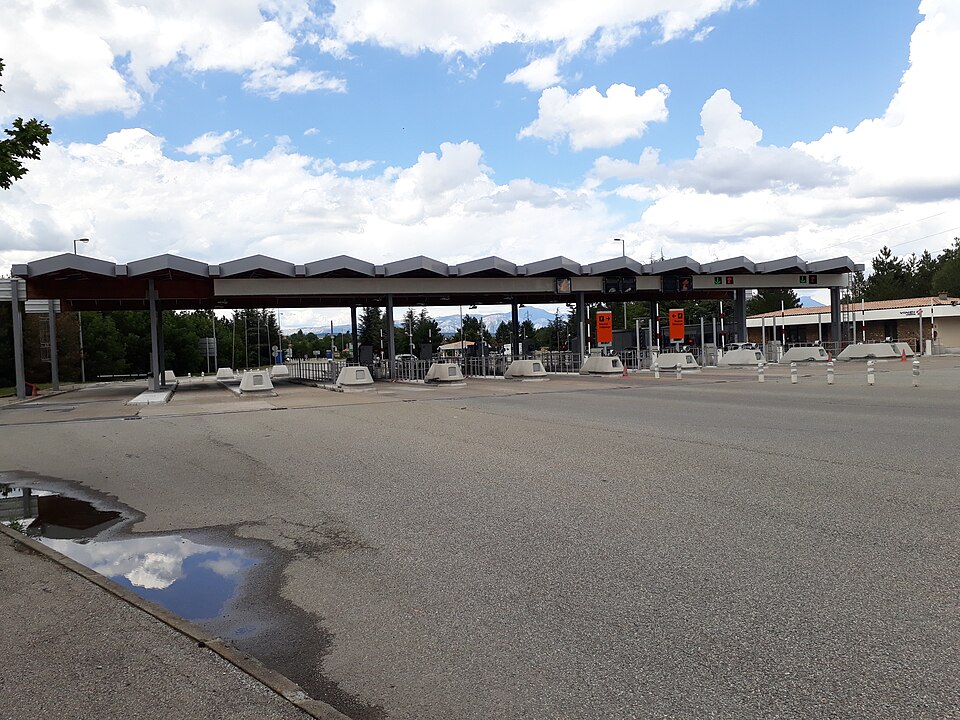
- Motorways are tolled — the A7 down the Rhône, the A8 along the coast. The parallel national roads are free and much slower.
- Historic centres are pedestrian. Park on the ring and walk in; this applies to Avignon, Aix, Arles, Nîmes and every hill village.
- Village car parks fill by mid-morning in season. Gordes, Roussillon, Les Baux and Cassis are all effectively full by ten in July.
- Low-emission zones operate in Marseille, Nice and Toulon and need a Crit’Air sticker — order it online before you travel, including for a foreign car.
- Alcohol — the limit is low, and this is a wine region. On a wine route, nominate a driver who does not taste.
- The mistral makes the Rhône valley genuinely difficult in a high-sided vehicle.
See parking in France.
Airports
- Nice Côte d’Azur — the second busiest in France, with a tram to the city and coaches along the coast
- Marseille-Provence — 25 km from Marseille, with shuttles to the city and to Aix
- Toulon-Hyères, Nîmes and Avignon — small, with limited services
Ferries and boats
Marseille and Toulon serve Corsica; boats run to the Frioul islands from Marseille, to Porquerolles and Port-Cros from Hyères, to the Lérins islands from Cannes, and along the calanques from Cassis. In summer the boat from Saint-Raphaël to Saint-Tropez is much faster than the road.
Cycling
Provence has an increasingly good marked network, including a route round the Luberon and the long-distance ViaRhôna down the Rhône. The heat and the mistral are the two things to plan around; spring and autumn are the seasons for it.
Typical journey times
- Marseille – Aix: 30 minutes by train or coach
- Marseille – Avignon: 35 minutes by TGV, 1 h 10 by regional train
- Nice – Cannes: 30 minutes by train, frequent
- Nice – Monaco: 20 minutes by train
- Avignon – Arles: 20 minutes by train
- Avignon – Gordes: 50 minutes by car, and effectively not by bus
See transport in France for the national picture.
Photo credits
Photographs on this page come from Wikimedia Commons under free licences:
- TGV at Avignon — Jean-Marc Rosier, CC BY-SA 3.0, via Wikimedia Commons
- Autoroute toll plaza — Niels Hoogvliet, CC BY-SA 4.0, via Wikimedia Commons

.jpg)
Updated: