Cuisine of Provence-Alpes-Côte d’Azur (Provencal cuisine)
Provençal cooking is what a hot, dry climate produces. The hills suit sheep and goats but not large-scale farming, the soil outside the Rhône valley is poor, and the sea is generous — so the table is built on olives and olive oil, garlic, herbs, vegetables, and whatever the boats bring in.
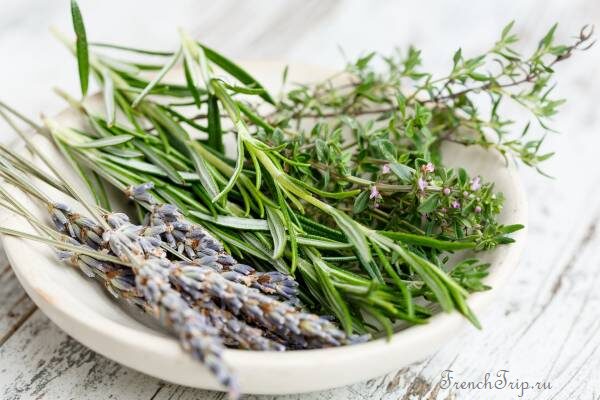
The ingredients
Olives and their oil come first; the Greeks brought them in the 4th century BC and the oil sits at the centre of the regional repertoire. Then garlic, chickpeas, lamb and goat, and from the sea sardines, sea bass, octopus and sea urchins. The fruit is worth planning a trip around: grapes, peaches, apricots, strawberries, cherries and the famous melons of Cavaillon.
Two fish turn up on menus more than any other. Rouget, the small red mullet, is usually grilled whole. Loup — sea bass, called bar elsewhere in France — is often baked with fennel over vine cuttings.
The ten dishes to know
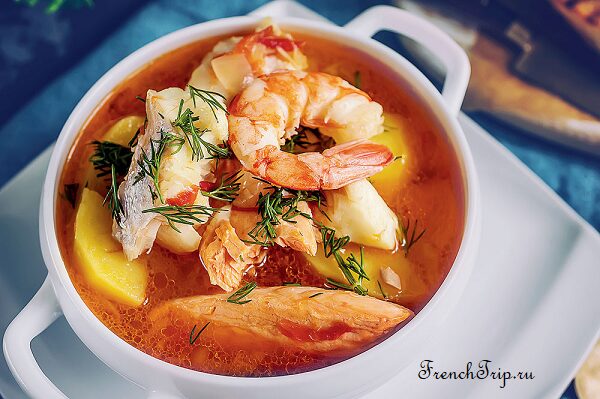
- Bouillabaisse — the Marseille classic, built on at least six kinds of fish. The traditional trio is rascasse (scorpion fish), gurnard and conger eel, joined by John Dory, monkfish, sea urchins, crab and spider crab. The seasoning matters as much as the catch: salt, pepper, onion, tomato, saffron, fennel, sage, thyme, bay, sometimes orange peel and a cup of white wine or cognac.
- Salade niçoise — from Nice, ideally raw vegetables only, with hard-boiled eggs, anchovies and olive oil. Tuna is a common addition and a local argument.
- Olives — eaten on their own, pressed, or turned into the two spreads below.
- Aïoli — garlic mayonnaise made with olive oil, served with raw vegetables, cold cod and boiled eggs.
- Soupe au pistou — a thick soup of white and red beans, pasta and vegetables, finished with basil, garlic and olive oil.
- Pieds et paquets — sheep’s trotters and stuffed tripe parcels braised in white wine.
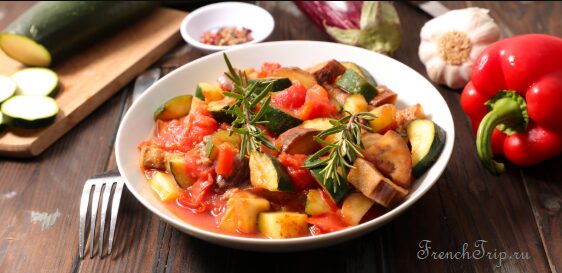
- Ratatouille — peppers, courgettes, aubergines, tomatoes and onion stewed in olive oil.
- Truffles — the season runs from mid-November to mid-March, and Carpentras is the centre of the trade. See French truffles.
- Daube — beef, or wild boar, marinated and stewed in red wine with herbs and garlic.
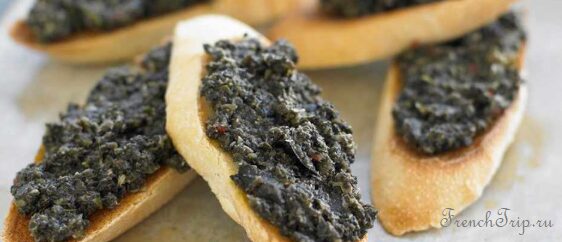
- Tapenade — olives, capers and anchovies pounded to a paste for toast. Anchoïade is the same idea without the capers.
The dishes in detail
Provençal cooking shifts from town to town, and some dishes belong to one place: nobody makes bouillabaisse like Marseille. Others — aïoli, tapenade — are found along the whole French coast.
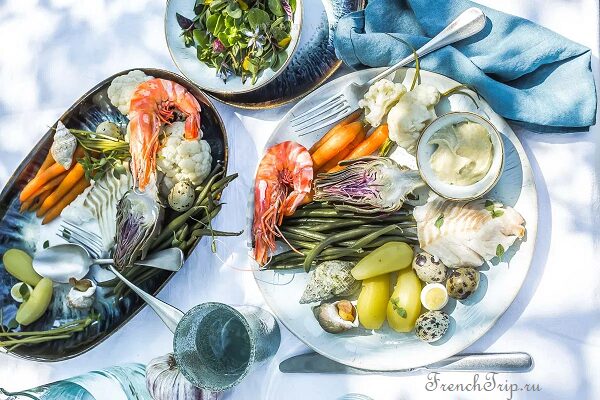
Aïoli. A thick emulsion of olive oil and crushed garlic. It accompanies bourride and fish soup, or arrives as a full plate with potatoes and salt cod. Every family has its own recipe; every shop sells it, as ordinary here as mayonnaise, but the homemade version is a different thing altogether. Restaurants often serve it with hot toast as an appetiser.
Brandade de morue. Salt cod pounded with olive oil, milk and garlic into a thick purée, spread on toast.
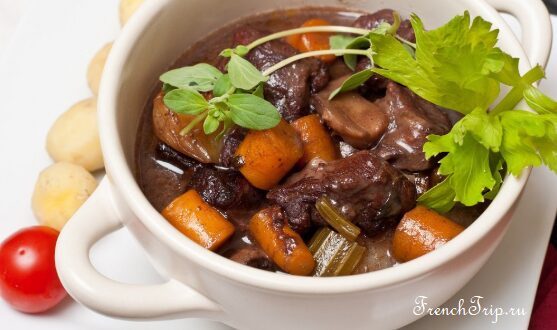
Daube provençale. Beef stewed with wine, vegetables, garlic and Provençal herbs. Variations add olives or prunes and season with duck fat, vinegar, brandy, lavender, nutmeg, cinnamon, cloves, juniper or orange peel. It is cooked in stages and left to cool for a day between them so the flavours combine. In the Camargue, bulls killed at the bullfighting festivals sometimes end up in the pot.
Escabeche. Fish, usually sardines, marinated overnight in vinegar or citrus juice, then boiled or fried.
Oursinade. A sea urchin sauce served with fish — and also the name of the festival built around eating them. The Occitan word means a tasting of sea urchins, and the coastal villages hold them between February and May, before the summer restrictions on fishing. The best known are at Sausset-les-Pins, Carry-le-Rouet and Fos-sur-Mer, and since the Riviera is nearly empty of tourists at that time of year, they are village affairs. Sea urchins are usually eaten raw on bread with a drop of lemon and a knob of butter, or stirred into a fish soup or a cream sauce at the last moment.
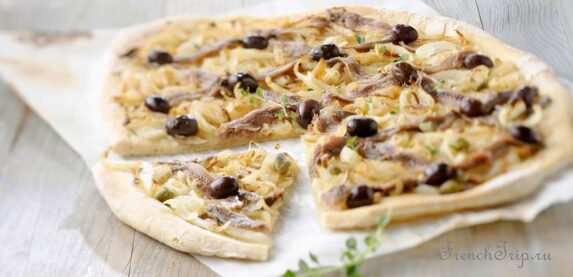
Pissaladière. The onion tart of Nice, topped with anchovies and black olives — sold by the slice in every bakery in the old town.
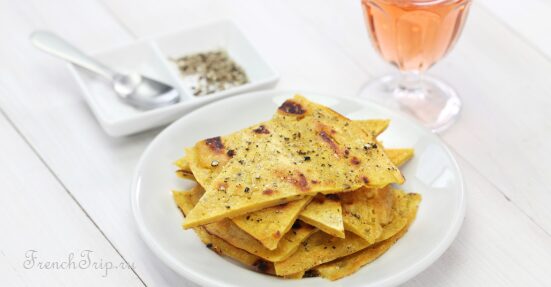
Socca. A thin chickpea-flour pancake baked in a wood-fired oven, peppered and eaten hot out of the paper. Nice street food, and best from a stall.
Sweets
Calisson d’Aix — the almond and candied-melon sweet of Aix-en-Provence, with a thin layer of royal icing on top. Gâteau des rois — the southern version of the Twelfth Night cake, a brioche crown with candied fruit rather than the flaky galette of the north. Tarte tropézienne — brioche split and filled with cream, invented in Saint-Tropez in the 1950s.
What to drink
The rosés of Côtes de Provence are what the region is known for, and they suit the food: cold, dry and unfussy. The reds of the Rhône valley stand up to daube and game. For the detail, see Provençal wines; for the region itself, Provence-Alpes-Côte d’Azur; and for the rest of the country, French cuisine.
Updated: